
How to Prepare for a Technology Due Diligence Check Before Fundraising or Acquisition

Introduction
Technology due diligence can feel intimidating, especially for founders who are already managing fundraising, growth, customers, operations, and team demands. But at its best, due diligence is not about proving that your company has perfect systems. It is about showing that you understand your technology risks, have documented how your systems work, and are actively managing the areas that matter most.
Whether you are raising capital, applying for growth financing, preparing for acquisition, or entering a strategic partnership, investors, lenders, and buyers want confidence that your technology can support the business plan. They will look at your product, infrastructure, cybersecurity, data practices, intellectual property, vendors, team capabilities, and operational maturity.
This guide explains what technology due diligence is, why it matters, what reviewers typically assess, and how startups and SMEs can prepare before the review begins.
Requirements vary significantly by industry, geography, transaction type, customer base, and company maturity. A seed-stage SaaS startup will not be assessed the same way as a healthcare platform, fintech company, or enterprise software provider. This article is practical guidance, not legal, regulatory, or security advice. For high-risk areas, consult qualified legal, cybersecurity, privacy, or compliance professionals.
What Is Technology Due Diligence?
Technology due diligence is a structured review of a company’s technology environment, systems, processes, risks, and capabilities.
It usually covers:
- Product and platform architecture
- Source code quality and maintainability
- Cloud infrastructure and reliability
- Cybersecurity controls
- Data protection and privacy practices
- Compliance posture
- Software licenses and intellectual property ownership
- Vendor and SaaS dependencies
- Engineering team structure and delivery processes
- Business continuity and disaster recovery readiness
The goal is not simply to identify problems. It is to understand whether the company’s technology supports its current business and future growth plans.
For example, a buyer may ask:
- Can this platform scale to support more customers?
- Is the product secure enough for enterprise clients?
- Are there hidden technical debts that will require major investment?
- Does the company own the software it claims to own?
- Are customer data and backups properly protected?
- Is there over-reliance on one developer, vendor, or undocumented system?

Why Technology Due Diligence Matters During Fundraising or M&A
Technology due diligence can influence deal confidence, valuation, investment terms, integration planning, and post-transaction priorities.
For investors, the review helps confirm whether the company can execute its growth plan without unexpected technology constraints.
For buyers, it helps assess integration risk, cybersecurity exposure, intellectual property ownership, and future investment needs.
For lenders, it can provide confidence that the company’s systems are stable, secure, and operationally resilient.
Strong preparation can help you:
- Reduce delays during fundraising or acquisition
- Build confidence with investors, buyers, or lenders
- Explain known risks in a structured way
- Avoid surprises late in the process
- Demonstrate operational maturity
- Strengthen internal systems before external review
- Support better valuation and negotiation outcomes
Importantly, due diligence is not only for large companies. Even early-stage startups benefit from having clear documentation, sensible controls, and a realistic view of their technology risks.

What Reviewers Typically Look For
Reviewers usually want to answer five broad questions:
Does the technology work as described?
They want to understand the product, architecture, infrastructure, and operating model.
Can it scale?
They assess whether the system can handle growth in users, transactions, data, markets, or integrations.
Is it secure and reliable?
They review access controls, monitoring, incident response, backups, and resilience.
Does the company own and control its technology assets?
They examine source code ownership, contractor agreements, open-source usage, third-party dependencies, and software licenses.
Are risks known and managed?
They do not expect perfection, but they do expect transparency, prioritization, and evidence of active management.

Key Areas to Prepare
1. Technology Architecture and Scalability
Your architecture should be understandable to both technical and non-technical reviewers. You do not need a 100-page technical manual, but you should be able to explain how the main systems fit together.
Prepare to explain:
- Core product architecture
- Main applications, services, databases, and integrations
- Cloud providers and hosting regions
- Data flows between systems
- Authentication and authorization model
- Scalability assumptions and current limits
- Known bottlenecks
- Planned architecture improvements
For startups, reviewers are usually more concerned with whether the architecture is appropriate for your stage than whether it is “enterprise grade.” A simple, well-understood system is often better than an overly complex one that only one person understands.
Good preparation includes a current architecture diagram, system inventory, and a short explanation of how the platform can scale.

2. Source Code Quality, Documentation, and Technical Debt
Investors and buyers may review your codebase directly or ask a technical advisor to assess it. They are typically looking for maintainability, consistency, security, and ownership clarity.
Prepare to show:
- Where source code is stored
- Branching and release practices
- Code review process
- Test coverage and testing approach
- Documentation standards
- Build and deployment process
- Known technical debt
- Security scanning or dependency checking
- Key areas that need refactoring
Technical debt is not automatically a problem. Every growing company has some. The bigger issue is unmanaged technical debt that affects reliability, security, delivery speed, or customer experience.
Create a simple technical debt register with:
- Description of the issue
- Business impact
- Severity
- Planned remediation
- Owner
- Estimated timeline
This shows maturity and helps reviewers understand that the company is not ignoring known issues.

3. IT Infrastructure, Cloud Services, and System Reliability
Reviewers will want to know whether your infrastructure is stable, secure, monitored, and appropriate for your business needs.
This includes:
- Cloud providers such as AWS, Azure, or Google Cloud
- Hosting environments
- Databases and storage
- Network configuration
- Monitoring and alerting
- Logging
- Uptime history
- Deployment processes
- Environment separation, such as development, staging, and production
- Infrastructure as code, where applicable
Useful evidence includes:
- Infrastructure diagrams
- Cloud account structure
- Monitoring dashboards
- Uptime or incident reports
- Backup reports
- Deployment logs
- Capacity planning notes
If you have had outages, be prepared to explain what happened, how you responded, and what changed afterward. A well-handled incident can demonstrate maturity.

4. Cybersecurity Policies, Access Controls, and Incident Response
Cybersecurity is often one of the most important parts of technology due diligence, especially for companies handling customer data, payments, health information, financial data, or enterprise systems.
Reviewers may ask about:
- Security policies
- Password and multi-factor authentication requirements
- User access reviews
- Admin access controls
- Employee onboarding and offboarding
- Device security
- Endpoint protection
- Vulnerability management
- Penetration testing
- Security awareness training
- Incident response planning
- Logging and security monitoring
At minimum, companies should be able to show that access to critical systems is controlled, reviewed, and removed when people leave. Multi-factor authentication should be enabled on important systems wherever possible.
Prepare an incident response plan that covers:
- Who is responsible during an incident
- How incidents are reported
- How severity is assessed
- Internal and external communication process
- Legal, customer, or regulator notification process, where applicable
- Post-incident review process
You do not need a large security department to demonstrate good practices. You do need clear ownership, sensible controls, and evidence that risks are being managed.
5. Data Protection, Privacy, Backups, and Retention Practices
Data governance is a major area of review. Buyers and investors want to know what data you collect, where it is stored, who can access it, how it is protected, and how long it is retained.
Prepare to explain:
- Types of data collected
- Personal data and sensitive data categories
- Data storage locations
- Data flows between systems and vendors
- Access permissions
- Encryption in transit and at rest
- Backup frequency
- Backup testing
- Data retention policies
- Data deletion processes
- Customer data export process
- Privacy notices and consent mechanisms, where relevant
A practical starting point is to create a data inventory. This does not need to be complicated. A spreadsheet is often enough for early-stage companies.
Include:
- System name
- Type of data stored
- Data owner
- Location or region
- Vendor or platform
- Access rights
- Retention period
- Backup status
- Sensitivity level
Reviewers may also ask whether backups are tested. Having backups is good; knowing that they can actually be restored is better.
6. Compliance Considerations
Compliance expectations depend heavily on your industry, customer base, location, and transaction type. Relevant frameworks or regulations may include GDPR, SOC 2, ISO 27001, HIPAA, PCI DSS, or other local and sector-specific requirements.
For example:
- A company serving EU customers may need to consider GDPR obligations.
- A healthcare technology company may need to consider HIPAA or local health data regulations.
- A payments or e-commerce company may need to consider PCI DSS.
- A B2B SaaS company selling to enterprise customers may be asked about SOC 2 or ISO 27001.
- A company operating across multiple countries may face multiple privacy and cybersecurity requirements.
Do not claim compliance unless you have evidence. If you are working toward a standard, state that clearly and provide the roadmap.
Prepare:
- Compliance gap assessments, if available
- Security policies
- Privacy policy
- Data processing agreements
- Vendor risk assessments
- Audit reports or certifications
- Penetration test summaries
- Remediation plans
- Responsible internal owner
Because compliance can involve legal obligations, always seek qualified legal, privacy, or compliance advice for your specific situation.

7. Software Licenses, Open-Source Dependencies, and Intellectual Property Ownership
Technology due diligence often includes a review of whether the company owns or has the legal right to use the software it depends on.
Reviewers may examine:
- Source code ownership
- Founder and employee IP assignment agreements
- Contractor and agency agreements
- Open-source software usage
- Software licenses
- Third-party components
- Commercial software subscriptions
- Use of AI-generated code or external code snippets, where relevant
- Patent, trademark, or copyright registrations, if applicable
Common concerns include:
- Contractors who wrote core code without proper IP assignment
- Open-source dependencies with restrictive licenses
- Unlicensed software usage
- Code copied from previous employers or external sources
- Missing records of who contributed what
Prepare a software bill of materials, or at least a list of major dependencies and licenses. Also gather employment agreements, contractor agreements, and IP assignment documents.
If there are gaps, identify them early and work with legal counsel to resolve them before the transaction process accelerates.

8. Vendor, SaaS, and Third-Party Risk Management
Most startups rely on cloud platforms, SaaS tools, payment providers, analytics tools, customer support platforms, development tools, and outsourced service providers. Reviewers want to know whether these dependencies are understood and managed.
Prepare a vendor inventory that includes:
- Vendor name
- Service provided
- Business owner
- Data accessed or processed
- Contract status
- Renewal date
- Security or compliance documentation
- Criticality to operations
- Exit or replacement options
High-risk vendors include those that:
- Store customer data
- Process payments
- Provide authentication
- Host production systems
- Support core operations
- Have administrator access to internal systems
For critical vendors, collect contracts, data processing agreements, security documentation, service-level commitments, and contingency plans.

9. Business Continuity and Disaster Recovery Planning
Business continuity and disaster recovery planning show that your company has thought about how to keep operating during disruptions.
Reviewers may ask:
- What happens if your cloud provider has an outage?
- How quickly can you restore service?
- How often are backups performed?
- Has restoration been tested?
- What are your recovery time objectives and recovery point objectives?
- Who communicates with customers during an incident?
- What happens if a key engineer is unavailable?
- Are critical processes documented?
Useful documents include:
- Business continuity plan
- Disaster recovery plan
- Backup schedule
- Backup test results
- Incident communication templates
- Critical system list
- Key person dependency assessment
Your plan does not need to be overly complex. It should be realistic, tested where possible, and aligned with customer expectations.

10. Product Roadmap, Engineering Processes, and Team Capabilities
Due diligence also assesses whether the team can continue building and maintaining the product.
Reviewers may look at:
- Product roadmap
- Engineering team structure
- Roles and responsibilities
- Hiring plan
- Release cadence
- Development methodology
- Backlog management
- Quality assurance process
- Customer support feedback loop
- Security involvement in development
- Key person dependencies
Prepare to explain:
- What you are building next
- Why those priorities matter commercially
- Which technical improvements are planned
- Where the team is strong
- Where additional hires or external support are needed
A credible roadmap links product priorities to business goals, customer needs, and technical realities.
Practical Technology Due Diligence Checklist
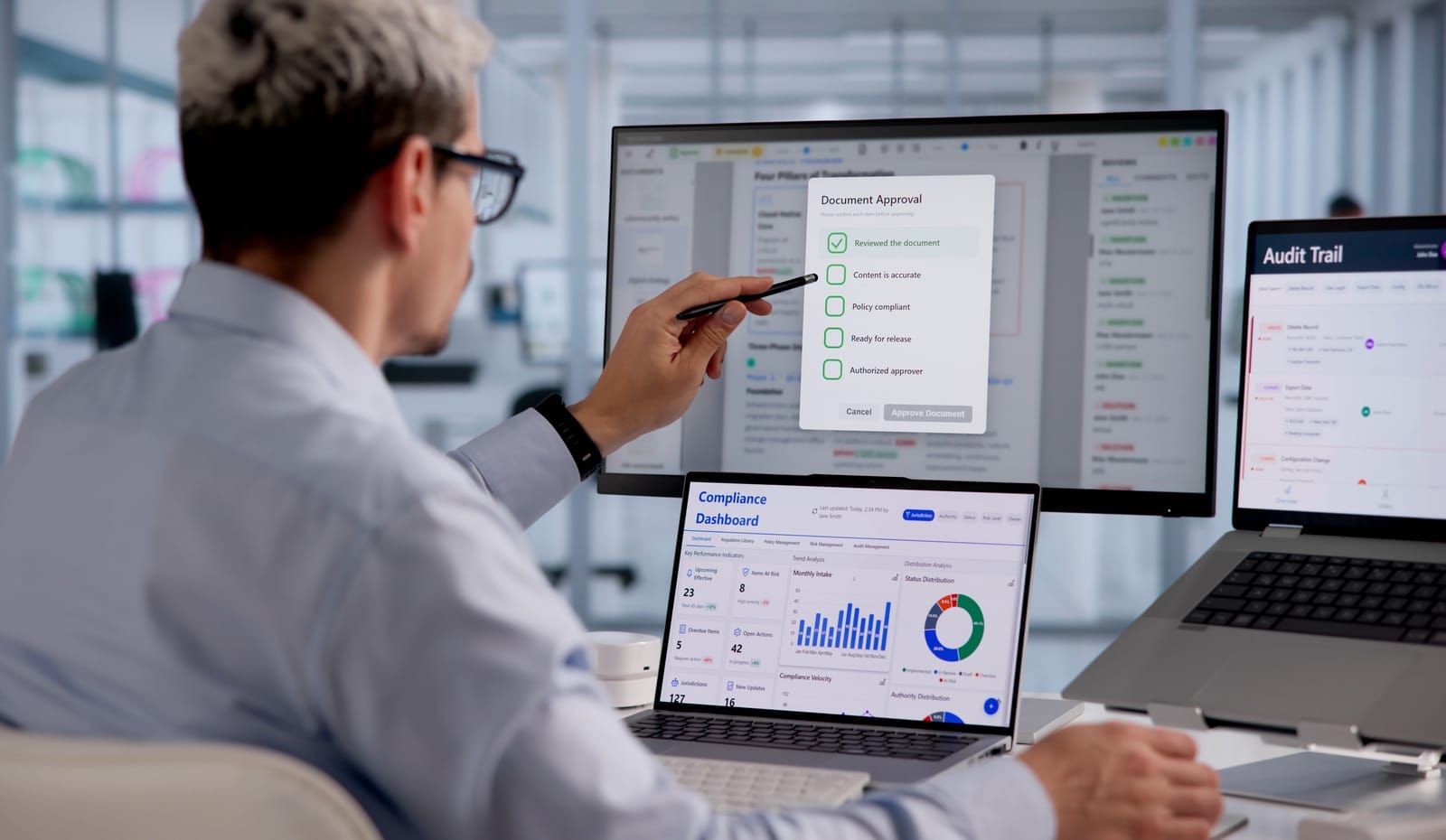
Use this checklist before the due diligence process begins.
Technology Architecture and Scalability
- Current architecture diagram prepared
- Main systems, applications, databases, and integrations documented
- Data flow diagram created
- Cloud hosting regions and environments documented
- Known scalability limits identified
- Performance bottlenecks listed
- Planned architecture improvements documented
- Key technical dependencies identified
Source Code and Technical Debt
- Source code repositories identified
- Access to repositories reviewed
- Branching and release process documented
- Code review process documented
- Testing approach documented
- Build and deployment process documented
- Technical debt register created
- Major refactoring needs prioritized
- Dependency scanning or review completed
- Documentation updated for critical systems
IT Infrastructure and Reliability
- Cloud account structure documented
- Infrastructure diagram prepared
- Production, staging, and development environments separated where appropriate
- Monitoring and alerting tools documented
- Logging approach documented
- Uptime or service history prepared
- Recent incidents summarized
- Incident follow-up actions documented
- Backup process documented
- Backup restoration tested or scheduled
Cybersecurity
- Security policy prepared or updated
- Multi-factor authentication enabled for critical systems
- Admin access reviewed
- Employee onboarding and offboarding processes documented
- Password policy documented
- Endpoint security approach documented
- Vulnerability management process documented
- Penetration test or security assessment available, if applicable
- Incident response plan prepared
- Security training records available, if applicable
- Security risks and remediation plan documented
Data Protection and Privacy
- Data inventory created
- Personal and sensitive data identified
- Data storage locations documented
- Data access permissions reviewed
- Encryption approach documented
- Data retention policy prepared
- Data deletion process documented
- Backup and restore process documented
- Privacy policy reviewed
- Data processing agreements collected where relevant
Compliance
- Relevant regulatory or framework requirements identified
- GDPR, SOC 2, ISO 27001, HIPAA, PCI DSS, or other requirements assessed where applicable
- Compliance owner assigned
- Existing certifications or audits collected
- Gap assessments documented
- Remediation plan prepared
- Legal or compliance advice obtained where needed
Software Licenses and Intellectual Property
- Employee IP assignment agreements collected
- Contractor IP assignment agreements collected
- Open-source dependencies listed
- License types reviewed
- Commercial software licenses inventoried
- Third-party code usage documented
- Software bill of materials prepared where possible
- Trademark, patent, or copyright records collected if applicable
- Legal review completed for material IP gaps
Vendor and Third-Party Risk
- Vendor inventory created
- Critical vendors identified
- Vendor contracts collected
- Data processing agreements collected
- Vendor security documentation collected
- Renewal dates and termination rights documented
- Vendor access to company data or systems reviewed
- Backup or exit plans prepared for critical vendors
Business Continuity and Disaster Recovery
- Business continuity plan prepared
- Disaster recovery plan prepared
- Critical systems identified
- Recovery time objectives documented
- Recovery point objectives documented
- Backup testing evidence collected
- Customer communication plan prepared
- Key person dependencies identified
- Operational workarounds documented
Product, Engineering, and Team
- Product roadmap prepared
- Engineering roadmap aligned with business goals
- Team structure documented
- Roles and responsibilities clarified
- Hiring needs identified
- Development process documented
- Release cadence documented
- QA process documented
- Customer feedback loop documented
- Key technical risks summarized

Common Red Flags Investors or Buyers Look For
Red flags do not always stop a deal, but they can create delays, reduce confidence, affect valuation, or lead to additional conditions.
Common red flags include:
- No clear owner for technology, security, or data governance
- Architecture that only one person understands
- Major undocumented technical debt
- No access control process for critical systems
- Former employees or contractors still having access
- Lack of multi-factor authentication on important accounts
- No tested backup or restore process
- No incident response plan
- Poor or missing documentation
- No clear ownership of source code or intellectual property
- Contractor-created code without IP assignment
- Unreviewed open-source dependencies
- Use of unlicensed software
- No vendor inventory
- Critical reliance on a single vendor without contingency planning
- No privacy policy or unclear data retention practices
- Unclear compliance position despite regulated customers or markets
- Security issues known but not prioritized
- Product roadmap disconnected from technical capacity
- Key systems managed manually with no audit trail
- No separation between production and development access
- Inconsistent deployment process
- Lack of evidence to support verbal claims
The best response to a red flag is not to hide it. Document it, assess the impact, assign ownership, and show a realistic remediation plan.

How to Prepare a Technology Due Diligence Data Room
A well-organized data room can make the review process smoother and reduce repeated questions. The goal is to provide enough information for reviewers to understand your technology environment without overwhelming them.
Suggested Data Room Structure
1. Company Technology Overview
Include:
- Technology overview document
- Product summary
- Architecture summary
- Key systems list
- Technology roadmap
- Summary of known risks and mitigation plans
2. Architecture and Infrastructure
Include:
- Architecture diagrams
- Infrastructure diagrams
- Cloud environment overview
- Data flow diagrams
- System inventory
- Monitoring and logging overview
- Uptime or incident history
3. Source Code and Development
Include:
- Repository list
- Development workflow
- Release process
- Testing and QA process
- Technical debt register
- Code documentation
- Dependency list
- Software bill of materials, if available
Avoid giving direct repository access too early unless agreed under the transaction process and confidentiality arrangements. In many cases, reviewers first assess summaries and documentation before requesting deeper access.
4. Cybersecurity
Include:
- Security policies
- Access control policy
- MFA status
- Incident response plan
- Vulnerability management process
- Penetration test reports or summaries, if available
- Security training records, if available
- Security risk register
- Remediation roadmap

5. Data Protection and Privacy
Include:
- Data inventory
- Privacy policy
- Data retention policy
- Data deletion process
- Backup policy
- Backup test results
- Data processing agreements
- Data flow maps
- Records of privacy or data protection assessments, if available
6. Compliance
Include:
- Compliance overview
- Applicable standards or regulations assessment
- SOC 2, ISO 27001, HIPAA, PCI DSS, GDPR, or other documentation where relevant
- Audit reports or certifications
- Gap assessments
- Remediation plans
- Legal or compliance memos, if appropriate and approved by counsel
7. Intellectual Property and Licensing
Include:
- Employee IP assignment agreements
- Contractor agreements
- Software license inventory
- Open-source dependency list
- Third-party code records
- Patent, trademark, or copyright documents if applicable
- AI tool usage policy, if applicable
- Legal review notes, where appropriate
8. Vendors and Third Parties
Include:
- Vendor inventory
- Critical vendor list
- Vendor contracts
- Data processing agreements
- Vendor security reports or certifications
- Service-level agreements
- Renewal and termination terms
- Vendor risk assessments
9. Business Continuity and Disaster Recovery
Include:
- Business continuity plan
- Disaster recovery plan
- Backup schedule
- Backup restoration evidence
- Critical process documentation
- Incident communication plan
- Key person dependency plan
10. Team and Operating Model
Include:
- Engineering team structure
- Roles and responsibilities
- Hiring plan
- Product roadmap
- Engineering roadmap
- Delivery process
- Support process
- Key person risk summary

Tips for a Smooth Due Diligence Process
1. Start Before You Need It
Do not wait until a term sheet or acquisition offer arrives. Preparing basic documentation early gives you time to fix gaps and avoid rushed decisions.
2. Be Honest About Maturity
A startup does not need the same controls as a global bank. But it should be clear about what is in place, what is not, and what is planned.
3. Create a Risk Register
List known technology, security, data, vendor, and operational risks. Include severity, owner, mitigation plan, and target date. This demonstrates control and transparency.
4. Keep Explanations Business-Focused
Translate technical issues into business impact. For example, instead of saying “database indexing needs improvement,” explain that “search performance may slow as usage grows, and optimization is planned before the next customer growth phase.”
5. Align the CTO, CEO, Legal, and Operations Teams
Technology due diligence is not only an engineering exercise. It touches contracts, privacy, vendors, HR, finance, and customer commitments.
6. Review Access Before the Process Starts
Remove access for former employees, contractors, inactive accounts, and unused tools. Review administrator privileges and ensure critical accounts have multi-factor authentication.
7. Prepare Summaries First, Details Second
Start with clear summary documents. Reviewers can then request deeper evidence where needed. This reduces confusion and speeds up the process.
8. Do Not Overstate Compliance
If you are not certified, do not say you are. If you are working toward SOC 2, ISO 27001, or another standard, describe the current status accurately.
9. Protect Sensitive Information
Use appropriate confidentiality agreements and data room permissions. Restrict access to sensitive materials such as source code, security test results, customer data, and employee information.
10. Ask for the Review Scope
Different reviewers focus on different areas. Ask what they need, what format they prefer, who will review it, and whether they expect interviews, system access, or document-only review.

A Simple 30-Day Preparation Plan
Days 1–7: Inventory and Ownership
- Assign an internal due diligence lead
- Create a system inventory
- Create a vendor inventory
- Identify key data stores
- Confirm source code repositories
- Gather existing policies and diagrams
- Identify missing documents
Days 8–14: Access, Security, and Documentation
- Review admin access
- Enable MFA on critical systems
- Remove inactive users
- Update architecture diagrams
- Document backup processes
- Draft or update incident response plan
- Create a technical debt register
Days 15–21: Legal, IP, and Compliance Review
- Collect employee and contractor IP agreements
- Review open-source dependencies
- Inventory software licenses
- Identify applicable compliance requirements
- Collect privacy and data protection documents
- Consult legal or compliance advisors where needed
Days 22–30: Data Room and Risk Plan
- Organize data room folders
- Prepare executive technology overview
- Create risk register
- Document remediation roadmap
- Gather evidence for key controls
- Align CEO, CTO, legal, finance, and operations on messaging
- Prepare for reviewer interviews

Brief Conclusion: Next Steps
Technology due diligence is not a test of perfection. It is a structured way for investors, lenders, or buyers to understand how your technology supports the business, where the risks are, and how those risks are being managed.
The most prepared companies are not necessarily the ones with the most sophisticated systems. They are the ones that can clearly explain their architecture, protect their data, control access, document ownership, manage vendors, and show a practical roadmap for improvement.
Your next steps:
- Assign a due diligence owner.
- Build a simple technology and data inventory.
- Review access, backups, security, and vendor risks.
- Prepare your data room.
- Document known gaps and remediation plans.
- Get legal, cybersecurity, privacy, or compliance advice where appropriate.
Done well, technology due diligence can strengthen trust, reduce transaction friction, and help your company tell a clearer story about its readiness for growth.