Year in Review: Biggest IT Security Lessons for SMEs in 2025

As we step into 2026, many SME owners in Singapore and across Southeast Asia are asking the same questions:
- “Have we done enough to protect our business from cyber threats?”
- “What actually changed in 2025, and what do we need to do differently this year?”
- “Do we really need ‘enterprise-level’ security if we’re just an SME?”
In 2025, cyber threats continued to evolve, but the core story stayed the same: attackers follow the money and the opportunity. And SMEs—especially those rapidly embracing cloud, SaaS apps, and hybrid work — remain attractive targets. For a deeper snapshot of last year’s landscape, explore our 2025 cybersecurity threats overview for Singapore SMEs.
The good news: you don’t need a huge IT team or a seven-figure budget to be secure. You need clarity, consistency, and the right partners.
As a Singapore-based, vendor-agnostic MSP and digital transformation partner, we spend our days helping SMEs modernize and secure their IT in a practical, business-first way — focusing on cloud-first, OPEX-based solutions, and fee-only, objective advice, not product push (here’s why a vendor-agnostic IT strategy matters for SMEs.) In this New Year review, we’ll share the biggest IT security lessons from 2025, and what they mean for your business in 2026.

1. Human-Focused Attacks Are Still the Easiest Way In
If 2025 confirmed anything, it’s this: the human inbox is still the weakest link.
What we saw in 2025
Across many SMEs, the most common security incidents were not caused by “Hollywood-style hacking.” Instead, they started with:
- A convincing phishing email pretending to be from a supplier or bank.
- A fake invoice or payment request that looked almost identical to the real thing.
- A WhatsApp or Teams message “from the CEO” asking for an urgent transfer.
- A login page that looked exactly like Microsoft 365 or Google Workspace, but wasn’t.
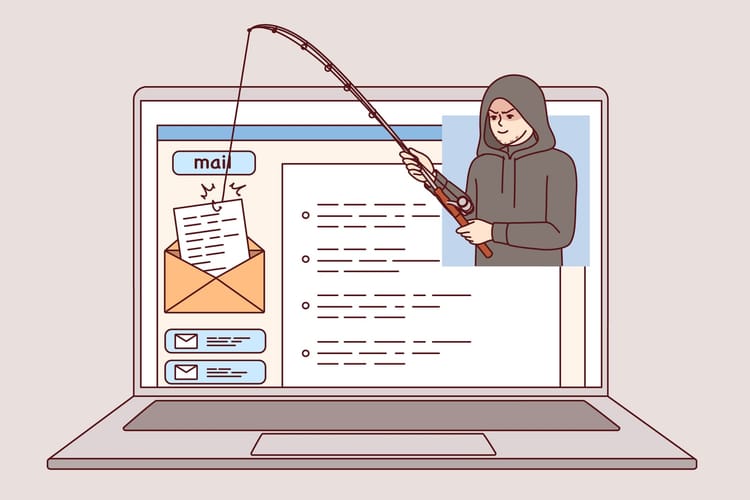
This type of attack — phishing, social engineering, and business email compromise (BEC) — works because it targets people, not systems. Attackers exploit trust, urgency, and routine processes, especially in finance, HR, and sales.
What this means for SMEs
You can have good firewalls and antivirus, but if staff are not trained and processes are loose, one wrong click can still cause serious damage — fraudulent payments, data loss, or compromised accounts.
Practical steps for 2026
Run regular, practical security awareness training
- Focus on real-world examples: fake invoices, payment diversion scams, account takeover attempts.
- Keep it short, scenario-based, and business-relevant — not overly technical.
Introduce simulated phishing campaigns
- Safely test how staff respond to suspicious emails and use the results to coach, not shame.
- Track improvement over time, especially in finance and leadership teams.
Tighten payment and approval processes
- Require out-of-band verification (e.g., phone call to a known number) for changes to bank details or large transfers.
- Use dual approval for high-value payments or new vendor setups.
Turn on multi-factor authentication (MFA) everywhere it matters
- MFA = one extra check (like a code on your phone) after entering a password.
- Enable it for email, cloud apps, VPN, finance systems, and admin accounts.
Establish a “report, don’t hide” culture
- Make it easy and safe for staff to forward suspicious emails to IT or your MSP.
- Celebrate early reporting, even if it turns out to be a false alarm.
As an MSP, we typically bundle awareness training, phishing simulations, and MFA configuration as part of a broader “human risk” programme, tailored for SME realities — not corporate-level complexity. If you’re still operating in a break-fix model, here’s why a proactive approach makes a measurable difference.
2. Ransomware Resilience Is About Recovery, Not Just Prevention
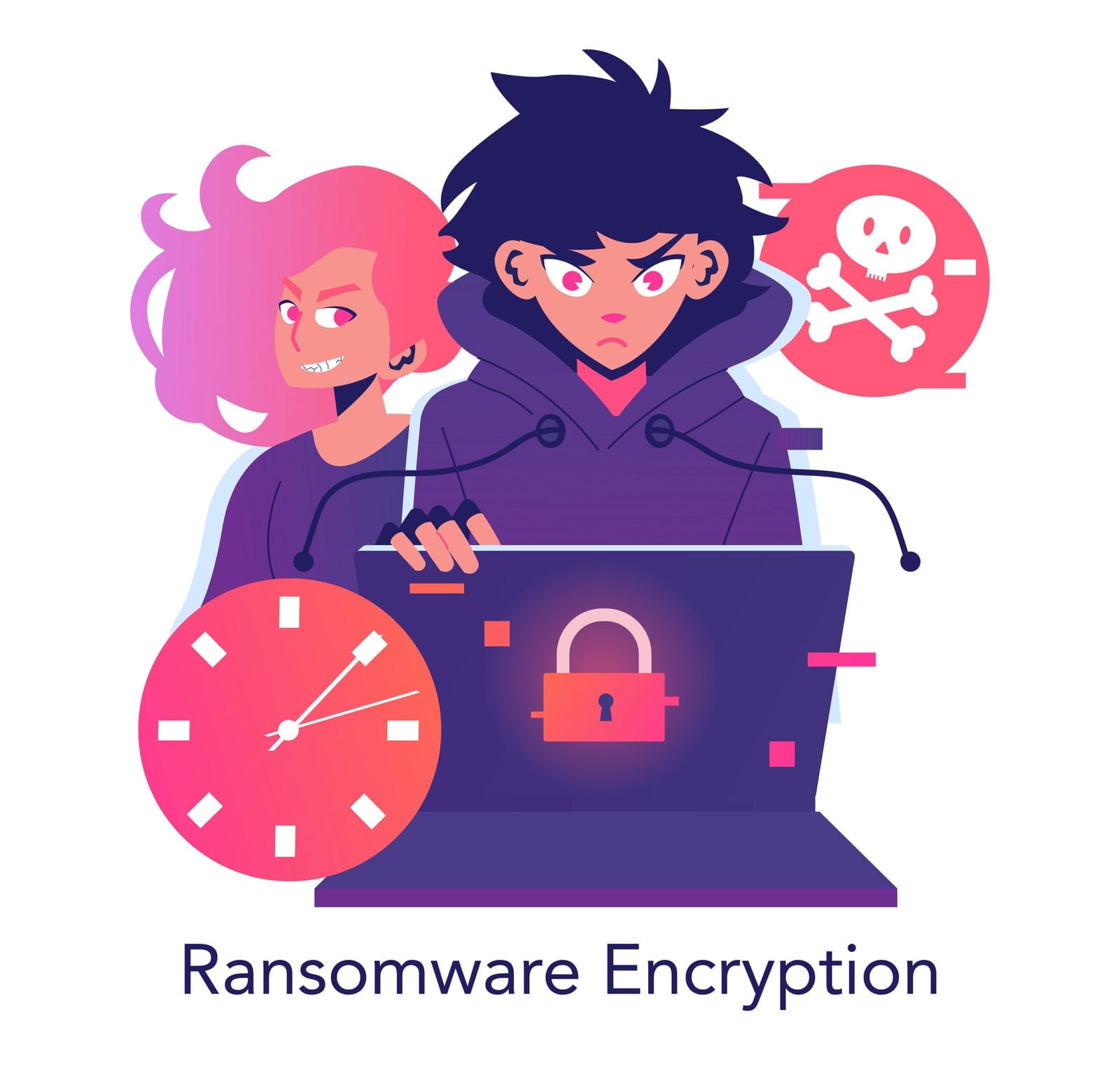
Ransomware continued to be a major concern in 2025. Attackers encrypt files and systems, then demand payment to restore them. But the biggest lesson SMEs learned is this: the real question isn’t “Can we block every attack?” but “How quickly can we recover?”
What we saw in 2025
We saw SMEs hit directly by ransomware, and others affected indirectly — through compromised vendors or partners. Common patterns included:
- Servers or file shares suddenly becoming unreadable.
- Cloud storage or shared drives being encrypted because infected devices synced the changes.
- Businesses struggling to restore from backups that were either:
- Not recent,
- Not tested,
- Or also encrypted by the attacker.
The difference between a minor disruption and a serious business crisis often came down to backup quality and recovery readiness. To understand the financial impact of downtime, see our 2024 insights for Singapore SMEs.
What this means for SMEs
Ransomware is no longer just an “IT issue.” It’s a business continuity issue: can you keep operating, serving customers, and meeting regulatory obligations if systems go down?
Practical steps for 2026
Adopt the “3-2-1” backup principle
- 3 copies of your data (production + 2 backups)
- 2 different storage types (e.g., local + cloud)
- 1 copy offsite and isolated (cannot be reached from your normal network)
Not sure where to start? Here’s a simple on‑prem vs cloud backup guide for SMEs.
Protect critical business systems first
- Identify your “crown jewels”: finance, ERP, CRM, HR, shared folders with key contracts and IP.
- Ensure they have reliable, frequent backups with clear recovery procedures.
Run recovery drills (not just backup checks)
- Don’t just ask “Did the backup run?”
- Test: “Can we restore a critical system within X hours, and who is responsible for each step?”
- Schedule at least one or two tabletop exercises per year.
Segment your network and limit access
- Avoid a “flat” network where one infected device can easily reach everything.
- Separate guest Wi-Fi, production servers, and admin systems.
- Restrict who can access backups and admin consoles.
Consider managed backup and recovery services
- Use an MSP to design, monitor, and regularly test your backup and recovery strategy.
- Tie this into a simple business continuity plan so everyone knows what to do during an incident.
Cloud-first SMEs often benefit from managed cloud backup for productivity apps, shared drives, and line-of-business systems — turning backup from a once-a-year worry into a monitored, OPEX-based service.

3. Device Management and Patching: The Basics Still Matter
While AI-powered attacks and zero-days make headlines, many 2025 breaches at SMEs still came down to simple issues: unpatched systems, outdated software, and unmanaged devices.
What we saw in 2025
Typical scenarios included:
- A remote employee’s laptop running an old operating system with no security updates.
- Staff installing unapproved apps that created new vulnerabilities.
- Antiviruses that had expired or were disabled, with nobody noticing.
- Personal devices accessing corporate email and cloud apps without any control.
For SMEs with hybrid or remote work, keeping track of every device became difficult — and gaps appeared.
What this means for SMEs
Any laptop, desktop, or mobile device that accesses company email, files, or apps can be an entry point for attackers. Without central visibility and control, it’s impossible to know if your environment is really secure.
Practical steps for 2026
Implement centralized device management
- Use a device management platform (e.g., for Windows, macOS, and mobile devices) to:
- Enforce security settings (disk encryption, screen lock, etc.)
- Control which apps can be installed.
- Remotely wipe lost or stolen devices.
Automate patching and updates
- Set up scheduled, centralized updates for operating systems and common software.
- Monitor for devices that fail to update, and follow up with users.
Standardize antivirus/EDR across the business
- EDR (Endpoint Detection & Response) is a more advanced form of antivirus that can spot suspicious behaviour, not just known viruses.
- Use a managed EDR/antivirus solution so someone is actively monitoring alerts and responding.
Create simple device policies for staff
- Define what’s allowed:
- Company-issued vs personal devices
- BYOD rules (Bring Your Own Device)
- Minimum requirements: password, encryption, up-to-date OS
- Communicate clearly in plain language and get leadership to support enforcement.
Work with an MSP for proactive monitoring
- Outsource device monitoring and patch management as a service.
- Receive regular health reports: which devices are compliant, which are not, and recommended actions.
For cloud-first SMEs, this kind of centralized device management aligns very well with OPEX-based IT, reducing upfront hardware costs while keeping control and visibility strong.
4. Cloud and SaaS Security: Identity Is the New Perimeter
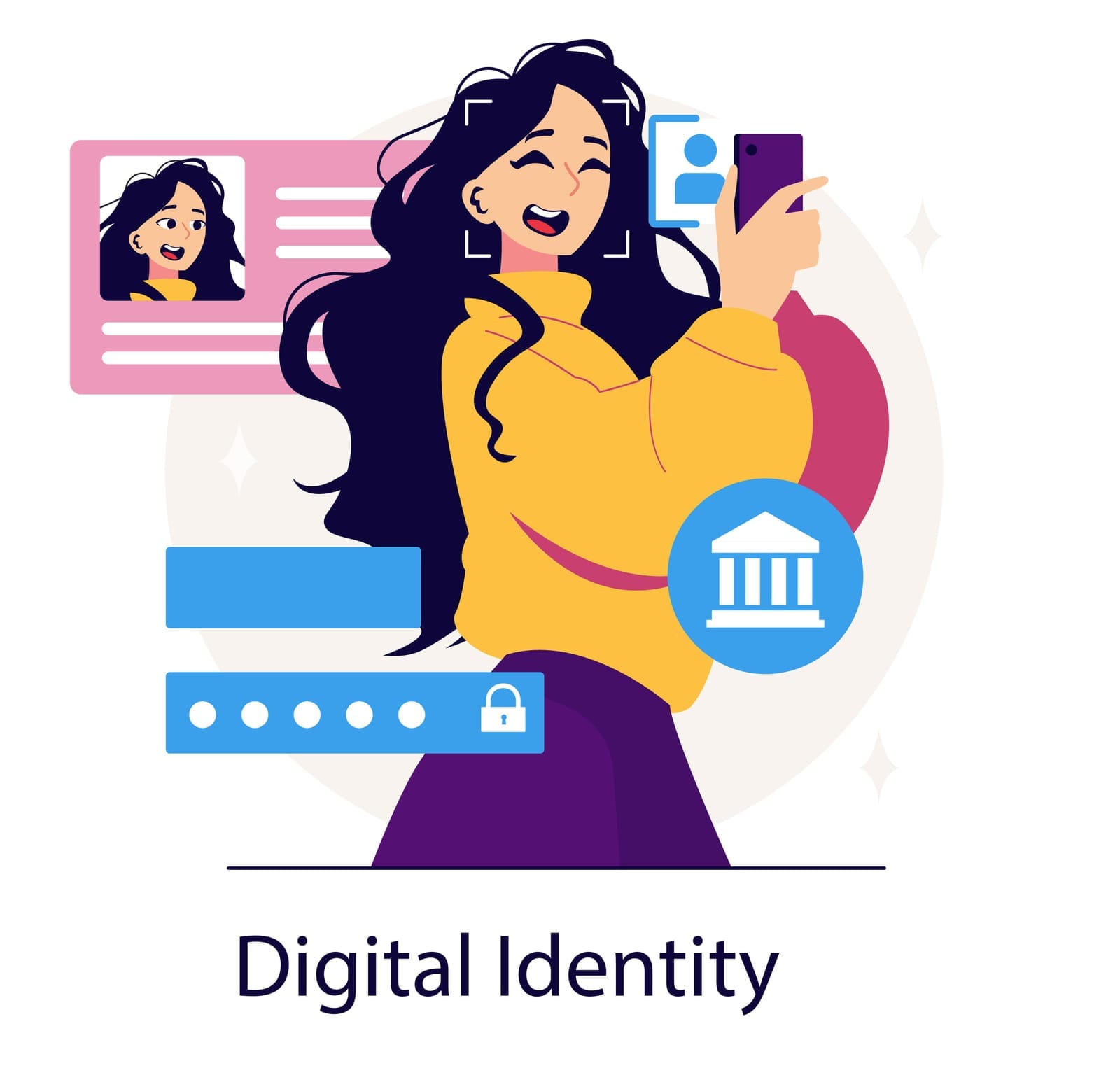
In 2025, more SMEs continued their shift to cloud-based email, file storage, CRM, accounting, and industry-specific SaaS platforms. This brought huge benefits — but also a new reality: your “perimeter” is no longer your office network; it’s your users and their identities. This is the core idea behind Zero Trust—learn what it means for Singaporean SMEs.
What we saw in 2025
Common cloud-related issues included:
- Shared accounts for critical SaaS apps (e.g., one login used by multiple staff).
- Former employees retaining access to cloud apps because offboarding was incomplete.
- Overly broad permissions — staff having access to far more data than they need.
- Weak or reused passwords causing account takeovers.
Attackers increasingly target cloud identities rather than trying to break into physical networks.
What this means for SMEs
If someone can log in as you, from anywhere, using any device, they don’t need to “hack” your firewall. Managing who has access to what, and under which conditions, becomes central to security.
Practical steps for 2026
Consolidate identity with Single Sign-On (SSO) where possible
- Aim to have one primary identity provider (e.g., Microsoft 365 or Google Workspace) controlling access to as many apps as possible.
- This simplifies access control and makes it easier to enforce policies like MFA.
- As your app stack grows, manage SaaS sprawl to keep access, costs, and security under control.
Implement role-based access control (RBAC)
- Define roles (e.g., Sales, Finance, HR, IT) and assign permissions by role, not person.
- Review who has “admin” or “superuser” rights and reduce where possible.
Strengthen account lifecycle management
- Standardize onboarding and offboarding checklists:
- Which accounts to create
- Which groups/roles to assign
- Which accounts to disable and when
- Work with HR to ensure IT is notified promptly of staff changes.
Turn on conditional access and basic security policies
- Example controls:
- Require MFA for all logins or at least for risky sign-ins.
- Block access from high-risk locations.
- Require compliant devices for sensitive apps.
Back up critical SaaS data
- Remember: many SaaS platforms are responsible for availability, not full backup and retention for your business needs.
- Use cloud backup services to protect email, shared drives, and key SaaS systems from accidental deletion, misconfiguration, or ransomware.
- And as you connect more third-party tools, don’t forget to vet integrations carefully — here’s a practical guide to securing your business ecosystem.
As a fee-only, vendor-agnostic MSP, we help SMEs design cloud and SaaS environments that are secure-by-design — prioritising identity, access control, and backup over brand-specific features.

5. Data Protection and Regulatory Expectations Are Rising
In Singapore and across the region, data protection is no longer a “big company only” topic. Regulations like the Personal Data Protection Act (PDPA) make it clear: SMEs are expected to handle personal data responsibly, including customer and employee information.
What we saw in 2025
SMEs increasingly faced:
- Customer and partner questionnaires asking about security controls and data protection.
- Contract clauses requiring specific security practices, incident reporting timelines, and data-handling standards.
- Greater scrutiny over how personal data is collected, stored, shared, and deleted.
Even without major fines, the reputational and business impact of poor data protection — lost deals, damaged trust — became more visible.
What this means for SMEs
You don’t need a full-time compliance team, but you do need a basic, workable approach to:
- Knowing what data you hold and where.
- Protecting it appropriately.
- Responding if something goes wrong.
For a step-by-step approach, use our SME guide to complying with Singapore’s PDPA.
Practical steps for 2026
Map your critical data and data flows
- Identify what personal or sensitive data you hold (e.g., customer details, employee records, financial details).
- Note where it lives: on-premise servers, laptops, cloud apps, third-party systems.
Classify and prioritise protection
- Not all data is equal. Label key categories:
- Public
- Internal
- Confidential (e.g., financials, HR)
- Restricted (e.g., health data, IDs)
- Apply stronger controls to higher-sensitivity data.
Document simple, clear data-handling policies
- How data is collected, used, shared, stored, and deleted.
- Who can access what, and under which conditions.
- How long data is retained before it is securely disposed of.
Prepare an incident response playbook
- A short, practical document describing:
- How to recognise a potential data incident.
- Who to inform internally and externally.
- Initial steps to contain and assess the issue.
- Include PDPA-style notification requirements where applicable.
Use an external health check for assurance
- Engage an MSP or consultant for a data protection and security review.
- Get a pragmatic action plan aligned to your size, sector, and risk profile—no unnecessarily complex frameworks.
As a Singapore-based, service-focused partner, we often combine data protection assessments with broader IT health checks and strategic reviews, helping SMEs align security with regulatory expectations and customer trust.

6. Security Culture: Technology Alone Is Not Enough
One of the strongest lessons from 2025 is that tools without culture do not work. SMEs that made the most progress were not those with the flashiest technology, but those where leadership and staff saw security as part of “how we do business.”
What we saw in 2025
We noticed a clear pattern:
- In some organisations, staff saw security as a “blocker” or “IT issue” and tried to bypass controls.
- In others, leaders consistently reinforced secure behaviour, rewarded early reporting, and treated staff as partners in security.
The second group experienced fewer serious incidents—and recovered faster when incidents did occur.
What this means for SMEs
Security culture doesn’t mean turning everyone into cybersecurity experts. It means:
- People understand the basics.
- They feel responsible, not helpless.
- They know what to do when something looks wrong.
Practical steps for 2026
Get leadership visibly involved
- Senior leaders should:
- Talk about security in town halls and internal communications.
- Participate in training and simulations themselves.
- Support reasonable security investments and process changes.
Embed security into everyday processes
- Include basic security checks in:
- New employee onboarding
- Vendor onboarding and procurement
- New project/product launches
- Make security a standard agenda item in management or risk meetings.

Use short, frequent training, not annual “marathons”
- Micro-learning: 10–15 minutes every month or quarter.
- Mix formats—videos, quizzes, short articles, or internal briefings.
Create clear, non-technical policies
- Avoid dense legal documents that nobody reads.
- Write in simple language:
- How to handle passwords
- What to do with suspicious emails
- Rules for remote work and personal devices
- Ensure policies are accessible and referenced in everyday workflows.
Celebrate good security behaviour
- Recognise teams or individuals who:
- Report suspicious activity early
- Help improve processes
- Champion secure practices in their departments
MSPs can support this by providing structured training programmes, simulations, and policy templates—but ultimately, culture is shaped from within, especially by owners and senior leaders.

7. Partnering with an MSP: From “IT Fixer” to Strategic Security Ally
In 2025, many SMEs moved beyond seeing IT providers as “break-fix” vendors and started treating them as strategic partners. This was especially true for security and digital transformation.
What we saw in 2025
SMEs increasingly looked for partners who could:
- Provide vendor-agnostic advice, instead of pushing a particular product line.
- Help them navigate cloud migration, automation, and modern workplace tools securely.
- Offer ongoing monitoring, rapid incident response, and periodic strategic reviews.
- Replace unpredictable IT spending with more structured, OPEX-based services.
This aligns closely with our own fee-only, client-first model, which is built on transparency rather than vendor commissions or hidden incentives.
What this means for SMEs
You don’t need to build a full internal security team to be resilient. You do need access to the right mix of skills, tools, and experience—on a scale that fits your business.
Practical steps for 2026
Clarify what you expect from an MSP
- Support areas might include:
- Remote & on-site IT support
- Device monitoring and patch management
- Managed antivirus/EDR
- Cloud backup and SaaS administration
- Firewall and network management
- IT policy documentation and data protection support
- Strategic IT and security roadmapping
- Aim for a long-term partnership, not one-off projects.
- New to managed IT? Start with our practical guide for Singapore SMEs.
- If you’re evaluating partners, here’s how to select the best IT service provider in Singapore.
Insist on transparency and vendor-agnostic recommendations
- Ask how your MSP gets paid:
- Are there vendor commissions or sales targets?
- Or are they fee-only, with recommendations based solely on your needs?
- This reduces conflicts of interest and helps build trust.
- See why Singapore SMEs are switching to fee-only IT consulting for greater transparency.

Schedule regular IT and security health checks
- At least annually, review:
- Current risks and gaps
- Progress against previous recommendations
- New business initiatives that may impact security
- Use this to update your 12–18 month roadmap.
Align security with digital transformation
- When planning cloud migrations, automation, or new systems, involve your MSP early.
- Design “secure-by-default” architectures so you don’t have to bolt on security later at higher cost.
Use OPEX-based services to stay current
- Instead of large, one-off purchases, consider managed services for backup, monitoring, security tools, and training.
- This helps you maintain a modern, secure environment without unpredictable capital expenditure.
As a local Singaporean firm with an agile, service-focused team, we believe the most effective partnerships are those where your growth and resilience are the core priorities—not hardware sales or vendor quotas.

Turning 2025’s Lessons into a Stronger Security Posture in 2026
Looking back at 2025, the key message for SMEs is not “fear more”—it is “prepare smarter.” Security is a journey, not a one-time project. The most resilient SMEs are those that steadily improve, step by step.
Here are 5–7 priority actions to consider for 2026:
Strengthen your human firewall
- Roll out regular, business-focused security awareness training and phishing simulations.
- Tighten payment and approval processes to resist social engineering and BEC.
Make ransomware recovery a core capability
- Implement a robust, tested backup strategy (including offsite/immutable copies).
- Run at least one recovery drill in 2026, focusing on your most critical systems.
Get control of your devices and updates
- Deploy centralized device management and automated patching.
- Standardize managed antivirus/EDR across your environment.
Secure your cloud and SaaS footprint
- Consolidate identity, enable MFA, and apply role-based access control.
- Back up critical SaaS data and streamline onboarding/offboarding processes.
Lift your data protection and compliance posture
- Map your key data, classify it, and define basic handling rules.
- Prepare an incident response playbook aligned with PDPA-style expectations.
Invest in a security-aware culture
- Get leadership visibly involved.
- Embed security into onboarding, procurement, and project management.
- Communicate clearly and regularly with staff about risks and expectations.
Build a long-term partnership with a vendor-agnostic MSP/DT provider
- Use external expertise for monitoring, incident response, and strategic planning.
- Develop a practical 12–18 month roadmap that combines:
- Security improvements
- Cloud adoption and modernization
- Process automation and efficiency gains

As you plan for 2026, this is an ideal time to pause and ask:
- Do we clearly understand our current IT and security posture?
- Are our people, processes, and technology aligned to protect what matters most?
- Do we have a realistic roadmap for the next 12–18 months?
If the answer to any of these is “not yet,” consider partnering with a transparent, vendor-agnostic MSP and digital transformation consultancy that puts your business first. Together, we can help you:
- Assess your current environment with an IT and security health check.
- Prioritise practical, high-impact improvements.
- Design and implement a cloud-first, secure-by-design roadmap that supports your growth.
2025’s lessons don’t have to be warnings—they can be the foundation for a stronger, more resilient, and more efficient business in 2026 and beyond.