The Value of Transparent, Tiered Pricing: How to Right-Size Your IT Spend Without Surprise Charges
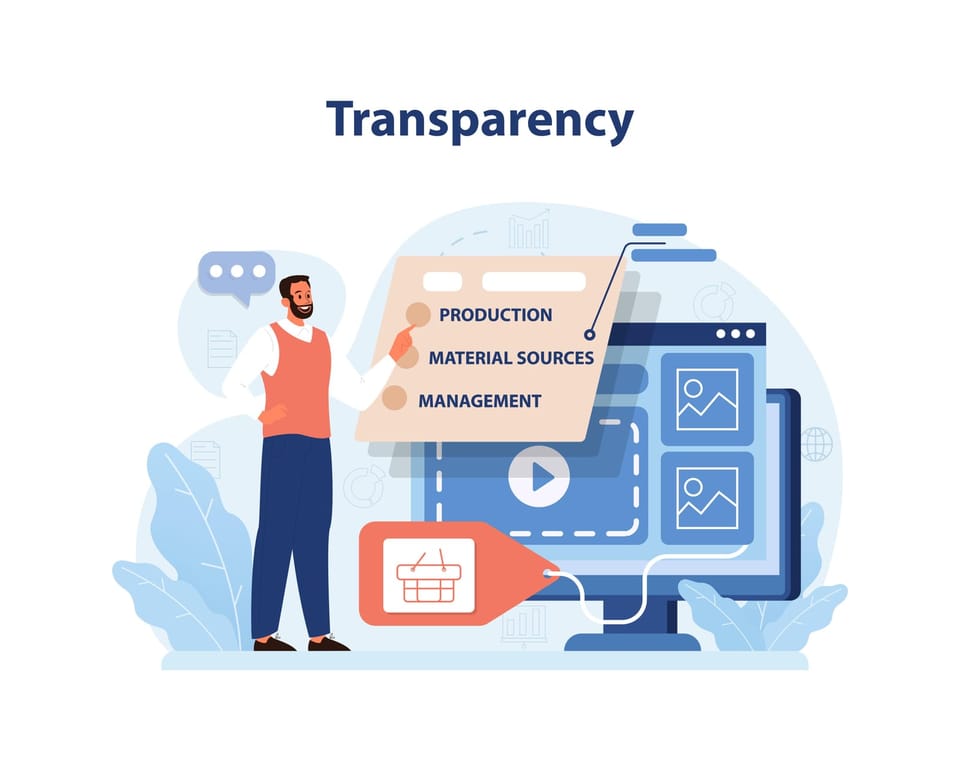
If you lead a small or mid-sized business, you’ve probably experienced at least one of these IT headaches:
- Quotes that are pages long but still don’t clearly explain what you’re paying for
- “All-in” offers that later reveal hidden markups on hardware, software, or cloud subscriptions
- Surprise invoices for work you thought was already covered
- Recommendations that feel more like a sales pitch than strategic advice
Underneath many of these problems is a simple issue: misaligned incentives and opaque pricing.
When your IT provider earns a significant portion of their revenue from vendor commissions, markups, or bundled “black box” solutions, it becomes difficult to know whether a recommendation is in your best interest—or theirs.
Transparent, tiered pricing is designed to solve that.
At Techease Solutions, we’ve built our Managed IT Services (MSP) and Digital Transformation-as-a-Service (DTaaS) model around a fee-only, service-based structure. Our core revenue comes only from clearly defined service fees in our monthly packages and value-added services. We do not accept commissions, rebates, or incentives from hardware, software, or cloud vendors.
This article explains what that means in practice, how tiered pricing works, and how it helps you right-size your IT spend—without surprise charges.

Why Traditional IT Pricing Often Fails SMEs
Many business leaders don’t realize how traditional IT providers actually make money:
- Hidden margins on hardware and software: Providers buy licenses or devices at a discount, then resell them with a markup built in.
- Vendor rebates and incentives: Recommendations can be influenced by which vendor pays the highest rebate, not which solution best fits your needs.
- Complex bundles: Services, licenses, and support are packaged together in ways that make it hard to see what you’re truly paying for.
The outcome:
- You may be pushed towards larger, more complex solutions than you currently need.
- You struggle to compare providers because their quotes are structured differently and lack detail.
- Your IT budget becomes unpredictable, with “extras” and “exceptions” showing up on invoices.
For SMEs that need to manage cash flow carefully, this is more than a frustration—it’s a risk.

Our Fee-Only, Transparent Model: How It’s Different
Techease Solutions operates as a true fee-only Managed Service Provider. That means:
- Our only core revenue comes from transparent service fees in our monthly packages and any value-added services you explicitly choose.
- We do not accept commissions, rebates, or incentives from hardware, software, or cloud vendors.
- We act as your advocate, not a reseller, negotiating the best market rates and passing any savings through to you.
In practice, this means:
- Unbiased recommendations
Because we don’t earn more by selling you a particular brand or higher-tier license, we are free to recommend what actually fits your business—nothing more, nothing less. We operate with a vendor-agnostic mindset. Our incentives are aligned with yours: keep your environment secure, stable, and cost-effective. - Clear separation of service fees vs. pass-through costs
Your invoice clearly distinguishes:- Our fixed service fees (what you pay us for our expertise and ongoing support)
- Pass-through costs for cloud subscriptions, software licenses, and hardware, billed at cost with no hidden reseller markup
- Predictable, recurring costs
Our services are packaged into recurring, fixed-fee tiers. You know upfront what’s covered, and what isn’t, so you can budget with confidence.
This model underpins our approach to transparent, tiered pricing.

What “Transparent, Tiered Pricing” Means in Practice
Transparent, tiered pricing is about two things:
- Clarity – You understand exactly what each package includes, what it costs, and where your money goes.
- Choice – You can select the level of service that matches your current stage, budget, and risk profile, and scale up or down as your needs change.
Instead of a one-size-fits-all approach or a confusing à la carte menu, we organise services into clear tiers tailored to SMEs. Below is a simplified example to illustrate the concept.
Example Tiers: Core, Growth, and Scale
These example tiers are illustrative, not exhaustive, but they show how a small business might engage with Techease Solutions at different stages.
1. Core: For Lean Teams Getting the Basics Right
Best suited for:
- Early-stage startups and small teams (e.g., 5–20 staff)
- Professional services firms or small operations with straightforward IT needs
Typical focus:
- Establishing a secure, stable foundation without overspending
Example inclusions:
- Essential managed IT support (remote helpdesk for common issues)
- Baseline security (antivirus/EDR, patching, basic email security)
- User and device management (onboarding/offboarding users, device configuration)
- Monitoring of key systems and alerts
What you gain:
- A predictable monthly fee covering core support and maintenance
- Reduced risk of downtime from basic misconfigurations or neglected updates
- The ability to keep capital expenditure low by leveraging cloud and OPEX-based solutions.
2. Growth: For SMEs Scaling Operations and Headcount
Best suited for:
- Growing SMEs (e.g., 20–80 staff)
- Businesses adding new locations, remote teams, or more complex workflows
Typical focus:
- Enhancing security, collaboration, and business continuity as complexity increases
Example inclusions (on top of Core):
- Enhanced security policies and identity management
- Improved backup and recovery strategies
- Collaboration tooling optimization (e.g., Microsoft 365 or similar environments)
- Basic advisory on digital transformation and process automation
- Periodic IT strategy reviews aligned to business goals
What you gain:
- A right-sized package that supports growth without jumping straight into “enterprise” pricing
- Regular guidance so IT decisions are proactive, not reactive
- Clarity on costs as your headcount and system usage increase

3. Scale: For Mature SMEs and Regional Players
Best suited for:
- Established SMEs and multi-entity organizations
- Businesses with regulatory requirements or complex IT environments
Typical focus:
- Advanced security, governance, and structured digital transformation
Example inclusions (on top of Growth):
- Advanced security frameworks and compliance alignment
- Detailed IT roadmapping and Digital Transformation-as-a-Service
- Integration across systems and data sources
- Modern workplace initiatives (cloud migration, remote work security, etc.)
- More stringent SLAs and extended support windows
What you gain:
- Enterprise-grade capabilities without unnecessary vendor lock-in
- A strategic IT partner focused on outcomes, not product quotas
- Confidence that your IT foundation can support further expansion
Across all tiers, you can add targeted value-added services where needed—for example, a specific cloud migration project or a security assessment—again priced transparently as a service, not buried in product margins.
Start Small, Grow Confidently
A key benefit of a tiered model is the ability to start with what you truly need today, then expand only when the business case is clear.
For example:
- A 10-person consultancy might begin with the Core tier to get reliable support and basic security in place.
- As they hire more staff and start handling sensitive client data, they upgrade to Growth to strengthen security and introduce better collaboration and backup.
- If they later expand regionally and face stricter compliance requirements, they move to Scale, adding digital transformation guidance and more advanced governance.
At every stage:
- You know exactly what you’re adding, and at what cost.
- You’re not locked into oversized, long-term bundles that outstrip your needs (and why “unlimited support” isn’t always better).
- You can scale service levels up or down if your headcount or risk profile changes.

Right-Sizing and Predictability: How This Helps Your Budget
For most SMEs, IT is one of several competing priorities. You need it to be reliable, secure, and scalable, but you also need it to be predictable.
Our transparent, tiered, fee-only model supports that in three ways:
- Fixed recurring fees
Each tier has a clearly defined monthly fee (often per user or per device), so your baseline IT operating cost is predictable. - Itemized invoices
You see:This makes it easier to understand your total cost of ownership and to spot opportunities for optimization.- Service fees for support, management, and advisory
- Pass-through costs for cloud, software, and hardware—with no hidden markups
- Aligned to risk and business priority
You can choose a tier that reflects your current risk appetite and business model. For example:- A low-margin business may prioritize cost control and start at a lower tier, adding targeted security upgrades as needed.
- A highly regulated firm may decide that higher up-front spend on security and governance in the Scale tier is cheaper than the cost of a breach or audit failure.
A Simple Comparison: Opaque vs. Transparent Pricing
Consider a 40-person SME using a traditional, markup-heavy IT provider versus Techease Solutions.
Scenario A: Opaque, Markup-Heavy Model
- The provider offers an “all-in” monthly bundle that includes support, licenses, and hardware refresh.
- The quote lists a single per-user price, but doesn’t break down:
- How much is for support
- How much is for software licenses
- How much is for hardware (and the margins baked into it)
- The provider receives rebates from Vendor X, so they recommend Vendor X’s tools even if alternatives would be cheaper or a better fit.
Over time, the SME:
- Upgrades to more expensive tiers of Vendor X’s software, guided by the provider’s advice
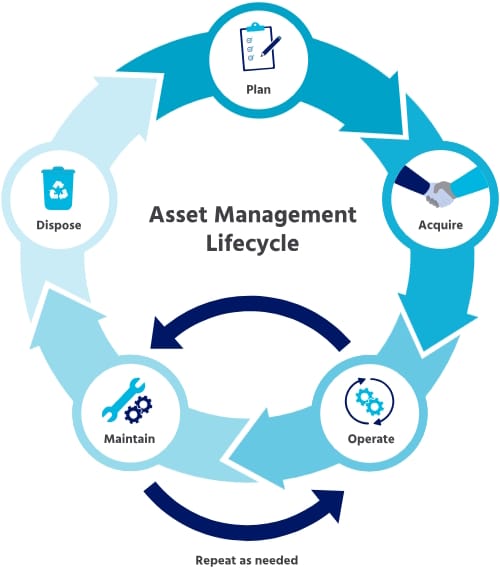
- Replaces hardware on the provider’s schedule, not necessarily when needed (learn how to plan IT asset lifecycles properly)
- Finds it hard to compare costs or negotiate with vendors directly, because everything is bundled
IT spend gradually rises, but the business has limited visibility into why.
Scenario B: Techease Solutions Transparent Tiered Model
The same SME chooses our Growth tier:
- They pay a clearly defined service fee for:
- Managed support and monitoring
- Security management at an appropriate level
- Regular IT strategy check-ins
- They also see separate, pass-through line items for:
- Cloud subscriptions (e.g., productivity suite, security tools; including how to handle vendor software price increases)
- Any project-based work, quoted clearly in advance
- Hardware purchases at cost, with no hidden reseller markups
If a cheaper or better-fitting software alternative appears, we can recommend it without worrying about losing commission, because our revenue is based on your service subscription.
Over 2–3 years, the SME:
- Gains more control: they understand where every IT dollar goes
- Can make informed decisions about where to invest more (e.g., security) and where to streamline
- Avoids unnecessary upgrades or inflated hardware replacements driven by vendor incentives
We don’t promise specific percentage savings, because every environment is different. But in many cases, simply removing hidden markups and misaligned incentives leads to more efficient, sustainable IT spending over time.

No Hidden Fees, No Surprise Markups: What That Really Means
When we say “no hidden fees” and “no surprise markups,” we mean:
- No hidden reseller markups on:
- Cloud services
- Hardware
- Software licenses
- Clear visibility into:
- What you pay vendors (pass-through at cost)
- What you pay Techease Solutions (service fees only)
- Fully itemized, transparent invoicing
Every invoice is structured so that a non-technical business owner or operations leader can understand it at a glance.
Over time, this level of transparency supports a lower total cost of ownership because:
- You avoid overbuying capacity or features you don’t need
- You aren’t paying a “mystery margin” on every device or license
- You can regularly review and optimize your IT environment, guided by a partner whose revenue doesn’t depend on selling you more products
Why This Matters for Digital Transformation
Digital transformation is not just about adopting new tools. It’s about aligning technology with your business strategy, processes, and people.
If your IT partner is financially motivated to push you towards particular platforms or higher license tiers, it becomes harder to ensure your transformation roadmap truly reflects your best interests.
Because Techease Solutions is vendor-agnostic and fee-only:
- We can design cloud-first, modern environments that fit your operational model and budget, rather than a vendor playbook.
- We help you transition towards scalable, OPEX-based IT consumption, reducing the need for heavy upfront capital expenditure.
- Our Digital Transformation-as-a-Service engagements focus on outcomes—efficiency, security, scalability—rather than product sales.
Again, our incentives remain simple: we succeed when you see value in our services and choose to continue working with us.

A Practical Next Step: Review Your Current IT Contracts
If you’re unsure how much you’re really paying for IT—or whether you’re funding hidden margins—it’s time to take a closer look.
Here are three questions to ask yourself (and your current provider) — and red flags to watch for:
- Can I clearly distinguish service fees from product costs on my invoices?
- Do I know whether my provider earns commissions or rebates from the vendors they recommend?
- If I wanted to change software or hardware vendors, would my provider be neutral—or resistant?
If any of these answers make you uneasy, consider moving to a transparent, fee-only, tiered model.
At Techease Solutions, we’re committed to:
- Transparent, service-based pricing
- No commissions, rebates, or vendor-driven incentives
- Predictable, fixed recurring fees
- Fully itemized invoices with clear pass-through costs
So you can right-size your IT spend today, and scale with confidence tomorrow—without surprise charges getting in the way.
If you’d like to explore what this might look like for your business, start by reviewing your current IT contracts and asking for a detailed breakdown. From there, we can help you map your needs to a clear, transparent tier that matches your budget and growth plans.