The Hidden Engine of Mergers & Acquisitions: Why IT Must Be at the Heart of Business Change

Mergers, acquisitions (M&A), and business restructuring present organizations with immense opportunities for growth, efficiency, and market expansion. Yet, time and again, even the most promising deals have faltered or failed—often not because of financial miscalculation or cultural differences, but due to overlooked or poorly managed IT integration.

Why IT Integration & Strategy Are Critical in M&A and Restructuring
In today's digital-first world, virtually every business process is underpinned by technology—from finance and HR systems to customer experiences, cybersecurity, and regulatory compliance. When two organizations come together, they are not just merging people and products, but also disparate IT infrastructures, applications, data, and user expectations.
Neglecting IT integration during business change can lead to:
- Operational disruptions: Incompatible systems and network outages can halt essential business functions — and the true cost of IT downtime adds up fast.
- Data integrity and security risks: Gaps in oversight increase the risk of a costly data breach or compliance violation.
- Lost value: Siloed IT landscapes can negate anticipated synergies, inflate costs, and jeopardize customer experiences.
According to a Deloitte survey, over half of M&A failures are directly linked to IT-related challenges such as delayed integrations, security incidents, or post-merger system failures.
Common Challenges & Risks When IT Is Overlooked
- Incompatible Infrastructure: Legacy systems may be outdated, customized, or simply incompatible, making data migration and application integration grueling and error-prone. To mitigate, avoid common cloud migration mistakes.
- Data Silos & Quality Issues: Merging data from different systems can result in duplicates, inconsistencies, or loss—hindering analytics and decision-making. SaaS sprawl can exacerbate these issues if left unchecked.
- Cybersecurity Vulnerabilities: Overlapping systems and incomplete visibility are prime targets for attackers during times of transition. Capabilities such as Endpoint Detection and Response (EDR) can provide greater visibility and faster containment.
- Regulatory Non-Compliance: Different data management practices or locations can put organizations at risk of violating standards such as GDPR, PDPA, or industry-specific regulations.
- Cultural & User Adoption Barriers: Employees may resist changes to systems they rely on, slowing down adoption and productivity.

Real-World Case Studies
Success Story — IT as an Enabler:
When a European bank acquired a fintech startup, early integration of their IT and digital teams enabled a successful migration of millions of customer accounts in record time — with zero downtime. By standardizing on cloud-based productivity tools and customer platforms — and taking a cloud-smart approach — they realized the anticipated operational synergies and quickly brought new, innovative products to market.
Lessons from Failure—When IT Is Neglected:
A global manufacturer’s high-profile acquisition ran aground when incompatible ERP systems delayed the unification of business processes for over a year. The result: missed financial targets, frustrated customers, and spiraling costs to support two separate IT environments. Regulatory fines followed due to gaps in data retention, policy documentation, and privacy controls.

Practical Advice: How to Put IT at the Heart of M&A Success
1. Involve IT Leaders Early—at the Negotiating Table
- Encourage collaboration between business and IT leaders from the very start—before the ink dries on the deal.
- Conduct comprehensive IT due diligence, assessing not only technical debt but also cybersecurity posture, licensing, vendor contracts, and regulatory obligations.
2. Prioritize Data Integrity & Operational Continuity
- Inventory and map all critical data across both organizations, flagging redundant, obsolete, or sensitive datasets.
- Establish robust migration and backup plans, including rollback options to minimize risk of disruption and ensure disaster recovery and business continuity.
3. Standardize and Modernize Systems Where Possible
- Embrace cloud-based platforms and SaaS applications to simplify integration and cut dependencies on aging infrastructure.
- Align on cybersecurity policies, access controls, and compliance protocols.
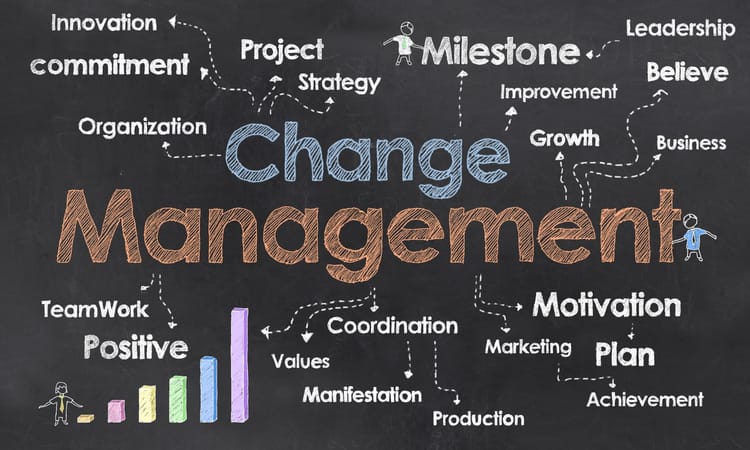
4. Adopt Change Management Best Practices
- Provide clear communications, training, and support to both technical and non-technical users during transitions. For a deeper dive, see our guide to IT change management in SME digital projects.
- Cultivate an IT and digital strategy that underpins long-term business goals beyond the immediate integration.
5. Lean on Industry Standards and Expert Partners
- Reference frameworks such as COBIT, ITIL, ISO/IEC 27001 for information security management, and the PCI DSS if handling payment data.
- Where in-house expertise is limited, seek support from vendor-agnostic managed service providers or IT consultants experienced in post-merger integration.

Conclusion: IT—The Strategic Lever for Business Transformation
Business change without a comprehensive IT strategy is a gamble. For lasting value, resilience, and a smooth path to growth, business leaders must recognize IT not as an afterthought but as an essential pillar of any merger, acquisition, or restructuring initiative.
Whether your organization is embarking on a merger, navigating acquisition, or planning for restructuring, make IT your ally—not an after-the-fact problem. Involve your IT and digital transformation experts early for holistic integration, secure operations, and maximum return on investment.
If your business is planning for change, consider engaging vendor-agnostic technology partners who provide objective guidance, flexible support, and a transparent, service-based approach to ensure your IT environment is secure, agile, and future-ready.