Tech Debt in SMEs: What It Is and Why Ignoring It Will Cost You More Later

In today’s digital age, every small and medium-sized enterprise (SME) wants to stay competitive, efficient, and secure. Yet, behind the scenes, many businesses struggle with “technical debt”—a hidden cost that can stifle growth and lead to unexpected operational headaches. In this guide, we’ll break down the concept of technical debt, share real-world SME examples, uncover the risks of ignoring it, and offer practical strategies to help you manage and reduce tech debt in your organization.

What Is Technical Debt?
Technical debt refers to the extra work and long-term risks that result from using quick or outdated technical solutions instead of taking the time to implement robust, sustainable ones. Think of it like financial debt: you’re borrowing time or resources by using shortcuts, but you’ll pay interest on those shortcuts in the form of future problems and costs — a pattern we also unpack in our take on the hidden risks of cheap IT.
Common Examples of Tech Debt in SMEs
- Outdated Software and Operating Systems: Relying on old versions of Microsoft Windows, legacy accounting packages, or unsupported business apps can leave your business vulnerable and inefficient. If a key app is approaching end-of-life, here’s what to do.
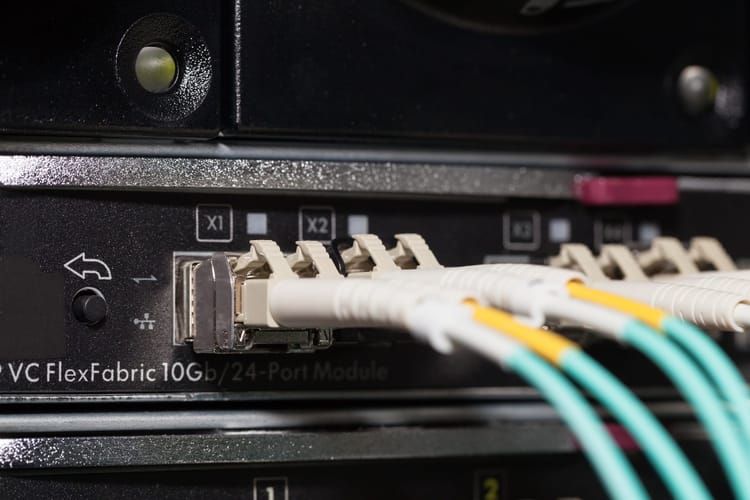
- Legacy Hardware or On-Premise Servers: Maintaining aging, on-site servers instead of moving to scalable cloud platforms increases maintenance demands and disaster recovery risks.
- Manual Workarounds and Unintegrated Tools: Having staff regularly export data from one system to another or using spreadsheets to fill gaps where software should automate tasks is a classic sign of technical debt — consider practical ways to automate repetitive office tasks without hiring developers.
- Ignoring Security Patches: Delaying necessary updates or patches (perhaps because of fears they'll “break” your custom setup) puts your business at risk for cyberattacks or data breaches.
- Temporary Fixes that Become Permanent: Quick “band-aid” solutions—like ad-hoc integrations or hard-coded settings—tend to accumulate, making future upgrades and migrations complex, slow, and expensive.

Why Should SMEs Care About Technical Debt?
Accumulating tech debt often seems harmless in the short-term, especially when budgets and timelines are tight. However, letting it pile up can have serious consequences:
1. Reduced Productivity
Employees waste time on repetitive manual tasks, or struggle with slow and unreliable systems, which directly affects operational efficiency.
2. Higher Operational Costs
Maintaining old infrastructure or paying for emergency fixes typically costs more over time than proactively upgrading or streamlining your systems. Shifting from break-fix to proactive IT management can reverse this trend.
3. Increased Security Risks
Unpatched systems and unsupported software are top targets for cybercriminals. According to industry research, over 60% of SME breaches involve vulnerabilities for which patches were available but not applied.
4. Difficulty Scaling Your Business
When your IT stack is a patchwork of outdated tools and custom fixes, integrating new software, expanding operations, or adopting cloud technologies becomes much harder — and more expensive. Explore how to overcome hidden IT challenges that block growth.
Case Study Example:
A Singapore-based SME relied on an on-premise file server and legacy applications, delaying migration to modern cloud storage. When ransomware hit, critical business data and backups were lost due to outdated backup strategies and weak network segmentation (a scenario where robust IT disaster recovery planning makes a difference). Although business could continue thanks to some cloud moves, the clean-up was costly and the company faced potential regulatory penalties. The incident highlighted how “technical debt” in the form of neglected clean-up of old systems and patching led directly to business disruption and financial risk.

Tips & Best Practices to Tackle Technical Debt in Your SME
- Inventory Your IT Assets
Map all hardware, software, and add-ons in use. Identify legacy systems or manual processes.
- Prioritize Maintenance and Upgrades
Regularly schedule software updates, hardware refresh cycles, and security patching to keep systems current.
- Cloud-First Approach
Transition from capital-intensive on-premise infrastructure to modern, scalable cloud services that reduce maintenance and security burdens. Learn how to choose between cloud-first and cloud-smart approaches for your SME.
- Automate Where Possible
Replace manual workarounds with automated workflows and integrated tools to save time and reduce error.
- Evaluate ROI and Total Cost of Ownership (TCO)
Weigh the ongoing costs of maintaining tech debt against the investment needed to modernize—often, the upfront investment pays off quickly.
- Engage an Unbiased IT Partner
Partner with a vendor-agnostic Managed Service Provider who’s not motivated by hardware sales or commissions. They can help you assess, prioritize, and tackle tech debt with your business’s best interests in mind.
- Plan for Change, Not Just Crisis
Build a digital strategy that includes regular IT reviews, proactive security assessments, and business continuity planning to avoid surprises. Effective IT change management also increases project success.
Conclusion
Ignoring technical debt isn’t just a technical issue—it’s a strategic business risk. By proactively identifying and addressing tech debt, SMEs can boost productivity, cut costs, shore up security, and lay a solid foundation for growth. Don’t let legacy systems or quick fixes hold your business back: invest in modernization today and future-proof your operations.
If you’re unsure where to start, consider working with a transparent, “fee-only” managed IT partner who can offer unbiased advice and help you take control of your IT roadmap—so you can focus on what matters most: growing your business. Learn more about why you should work with us.