Preparing for the Worst: Creating an Incident Response Plan That Actually Works
Cyberattacks are no longer a question of “if,” but “when.” With threats ranging from ransomware to targeted data breaches, every organization—regardless of size or industry—needs a practical, actionable incident response (IR) plan. An effective IR plan minimizes business damage, helps safeguard your reputation, and ensures regulatory compliance. But what does it take to build a plan that actually works in a real-world crisis?
This step-by-step guide will walk you through creating a robust incident response plan focused on assembling the right team, defining clear roles, and stress-testing your approach through realistic tabletop exercises.

1. Assembling an Incident Response Team
Who Should Be Included
A strong incident response team is multidisciplinary, blending technical know-how with business insight and legal acumen. Your IR team should generally include:
- IT/Cybersecurity Lead: Handles technical investigation, containment, and remediation.
- Management/Executive Sponsor: Authorizes major decisions, manages risk trade-offs.
- Legal Advisor: Ensures compliance (e.g., PDPA, GDPR), breach notification, and liability management.
- Communications/Public Relations: Crafts messaging for staff, customers, regulators, and media.
- HR Representative: Addresses insider threats and employee impact, and manages internal investigations.
- Forensics Specialist: Gathers evidence, analyzes attack vectors, and preserves chain of custody.
- Business Unit Representatives: Provide context for how incidents impact core operations (finance, sales, etc.).
Criteria for Selecting Team Members
- Expertise: Proven experience in their functional area (e.g., network security, legal compliance).
- Decision-making Authority: Members must have enough authority to act swiftly—delays compound damage.
- Availability: Incident response often happens after hours; team members should be willing and able to engage at short notice.
- Calm Under Pressure: The ability to handle high-stress, fast-moving situations is essential.
- Trustworthiness: Members will have access to sensitive information and systems.
Best Practices for a Multidisciplinary Team
- Rotate roles and cross-train staff to eliminate knowledge silos.
- Define escalation paths—know when to bring in outside experts (e.g., breach coaches, specialist forensics).
- Ensure diversity of thought: include representatives from business-critical functions to cover different risk perspectives.
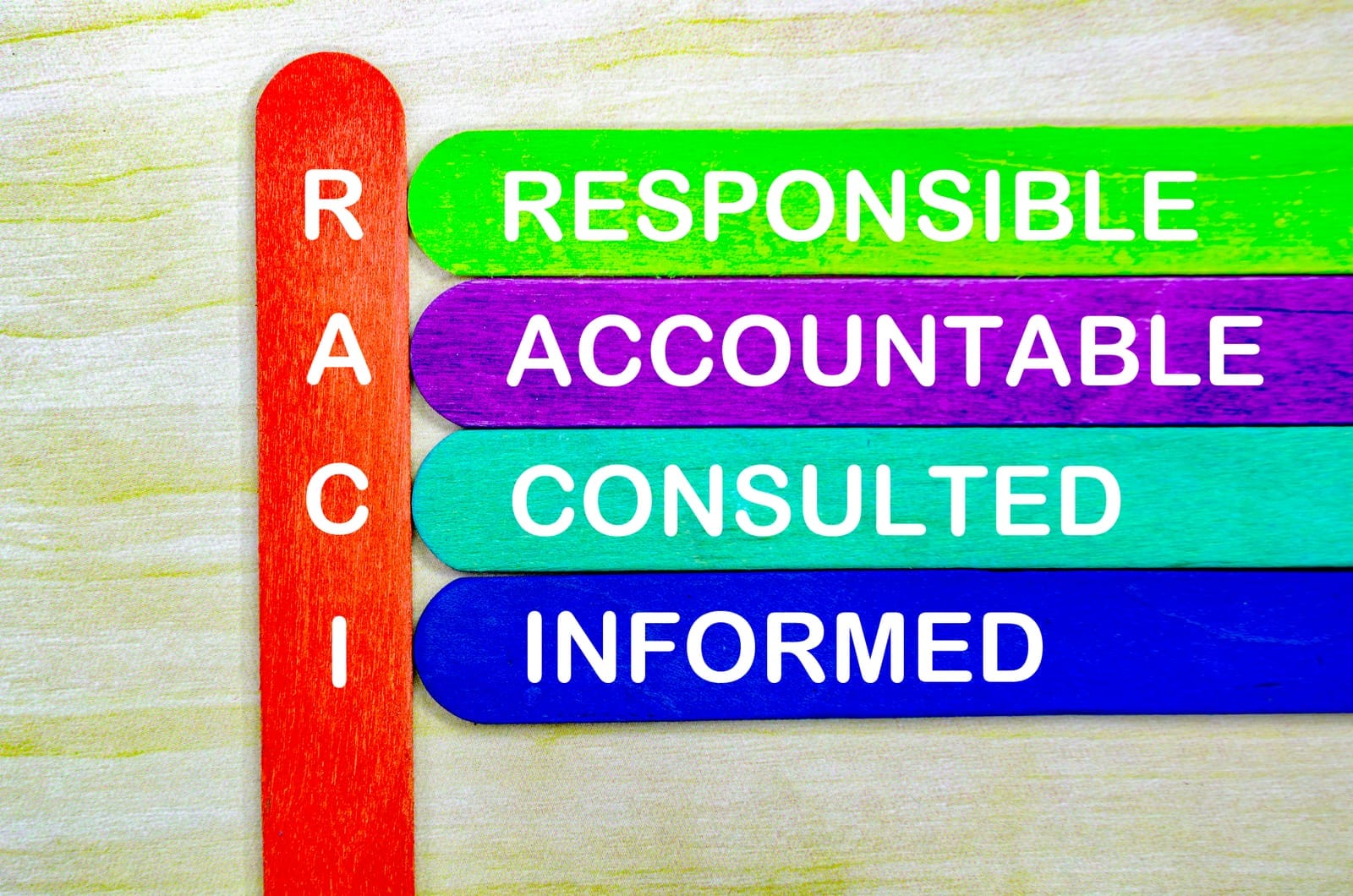
2. Defining Roles and Responsibilities
Clear role definition avoids confusion, wasted time, and conflicting priorities during a crisis.
Common IR Roles
- Incident Response Lead (IRL): Manages the response effort, coordinates team activities, and is the point of contact for leadership.
- Forensics Specialist: Secures compromised systems, preserves evidence, supports root cause analysis, and recommends remediation strategies.
- Communications Officer: Liaises with internal and external stakeholders, controls rumor and misinformation, prepares notifications for clients and regulators.
- Legal/HR Liaison: Advises on regulatory requirements, internal policies, and potential legal exposure; manages employee communications.
- IT Systems Owner: Shares detailed knowledge about affected systems; assists with containment and recovery.
- Business Continuity Coordinator: Ensures essential business functions continue, triggers contingency plans if needed.
Responsibilities Associated With Each Role
- IRL: Initiates the IR plan, assigns tasks, maintains incident log, debriefs stakeholders.
- Forensics: Timeline documentation, log analysis, image compromised drives, preserve evidence for eventual legal proceedings.
- Communications: Prepares pre-approved templates, ensures accuracy in public disclosures, manages all outgoing communications.
- Legal/HR: Guides mandatory breach notification (regulators, affected individuals), handles data protection and privacy concerns, advises on disciplinary action where appropriate.
- IT Owner: Provides system documentation, user access logs, and assists with system/hardware recovery.
- Business Continuity: Activates recovery sites, manages remote work enablement, escalates operational concerns.
The Importance of Role Clarity
When seconds matter, overlapping duties and uncertainty waste precious time. Role clarity:
- Reduces duplication and omission.
- Helps prioritize incident response over routine tasks.
- Provides accountability and transparency for post-incident reviews.

3. Conducting Tabletop Exercises
A plan written on paper is only as good as your team’s ability to execute it under pressure. Tabletop exercises are critical in validating your IR plan and building team confidence.
What Are Tabletop Exercises?
A tabletop exercise is a discussion-based simulation where your IR team responds to a hypothetical incident scenario. The goal is to walk through your plan, identify gaps, and improve collective readiness—before disaster strikes.
Value of Tabletop Exercises
- Identify weaknesses and confusion in current processes.
- Clarify communications, escalation, and decision-making procedures.
- Build muscle memory: rehearsing roles makes real-world actions instinctive.
- Educate non-technical team members about their value and responsibilities during an incident.
Planning and Executing a Tabletop Exercise
1. Preparation
- Choose a realistic scenario (ransomware, phishing, insider threat, DDoS).
- Set clear objectives: Are you testing escalation? Communications? Regulatory response?
- Gather all IR team members and ensure everyone understands the rules: there are no wrong answers; it’s about learning.
2. The Simulation
- Present the scenario step by step, prompting “What would you do?” at each juncture.
- Record decisions, questions, and any confusion.
- Discuss escalation decisions—who gets informed, when, and how.
3. Review and Debrief
- Identify what worked and what didn’t—include “aha!” moments and misunderstandings.
- Assign action items: update playbooks, adjust notification trees, build missing templates.
- Share results with leadership and all stakeholders, not just technical staff.
Repeat regularly—at least once a year, or whenever your technology, team, or regulations change.
Common Scenarios to Test
- Ransomware Attack: Files are encrypted, attackers demand payment. Can you isolate, recover, and notify affected parties promptly?
- Data Breach: Sensitive data (e.g., HR or customer data) is exposed externally. How do you determine scope and comply with notification requirements?
- System Outage: Core business systems go down due to sabotage or technical error. How do you activate business continuity plans?
Incorporating Lessons Learned
- Debrief after every practice: what surprised us? Where did we hesitate?
- Update your IR plan, asset inventories, and contact lists accordingly.
- Share findings with the wider company to promote a culture of security awareness.
Real-World Example
A Singapore SME transitioned from on-premise to cloud-based systems, but a legacy file server left online by an IT vendor was compromised by ransomware. The response team’s early actions—prompt isolation, internal communications, and regulatory notifications—limited business impact. However, the incident also revealed weaknesses: incomplete asset retirement, lack of advanced backup solutions, and gaps in vendor risk management. Afterward, the company updated its IR plan, strengthened vendor oversight, and began regular table-tops focused on these gaps—turning a crisis into a growth opportunity.
Industry Standards and References
- NIST 800-61 Revision 2: Computer Security Incident Handling Guide – the gold standard for IR processes.
- SANS Incident Handler's Handbook: Practical guidance and checklists for IR teams.
- PDPA (Singapore): Outlines breach notification and retention requirements for local organizations.

Practical Tips for Building Your Incident Response Plan
- Keep contact lists, playbooks, and escalation paths up to date; review every 6-12 months.
- Store IR resources (plans, checklists, critical contacts) both digitally and in hard copy.
- Use services like endpoint detection and response (EDR)/managed detection & response, cloud backup, and compliance reviews as support pillars—don’t just rely on in-house IT.
- Foster a “no-blame” culture during tabletop reviews—focus on continuous improvement, not finger-pointing.
An incident response plan is your insurance against chaos. Assemble the right people, assign them clear roles, and practice for possible threats. With regular preparation and a culture of learning, you’ll be prepared not just to survive a cyber crisis, but to emerge stronger and more resilient.
Ready to review your incident response needs? Contact cybersecurity consultants or managed service providers experienced in tabletop exercise facilitation and response plan creation for tailored support. Reach out to Techease Solutions today to see how we can help!