How AI-Powered Tools Are Reshaping SME Operations in Singapore

Singapore’s SMEs are under pressure. Labour is tight, wages and rentals keep rising, and competition—from both regional neighbours and global e-commerce players—is intense. At the same time, the government continues to nudge businesses towards digitalisation through various grants, advisory schemes, and “SMEs Go Digital”-type initiatives.
In this environment, artificial intelligence (AI) is moving from “nice to have” to “quietly essential.” Not in a science-fiction way, but as practical tools that help SMEs do more with less—automating routine work, making sense of information, and turning data into better decisions.
This article explains, in practical business terms, how AI-powered tools are reshaping SME operations in Singapore, with examples from local contexts and sectors. It focuses on three main areas:
- AI-driven automation
- AI for summarisation and content handling
- AI-driven business insights and decision-making
We’ll end with a realistic, step-by-step checklist to help you get started.
1. Why AI Matters Now for Singapore SMEs
Several structural factors make AI particularly relevant in Singapore:
- Manpower constraints: Tight labour market, foreign worker quota limits, and rising expectations for wages and work-life balance mean SMEs cannot simply “hire more people” to cope with growth.
- High operating costs: Rental, utilities, and compliance costs are significant. Any productivity gains from automation and smarter workflows directly support the bottom line.
- Competitive pressure: Cross-border e-commerce and digital-first regional competitors put pressure on pricing and service standards.
- Government push for digitalisation: Agencies and initiatives encourage SMEs to adopt digital solutions, including AI-enabled tools, especially in areas like accounting, HR, marketing, and operations.
Against this backdrop, AI offers a way to:
- Reduce manual, repetitive tasks
- Make faster, more data-driven decisions
- Improve customer experience without a big increase in headcount
You don’t need a data science team to benefit. Many AI capabilities are now “built-in” to software SMEs already use—such as office suites, chat tools, CRM systems, and cloud-based accounting or inventory platforms.
2. AI-Driven Automation: Doing More With Fewer Hands
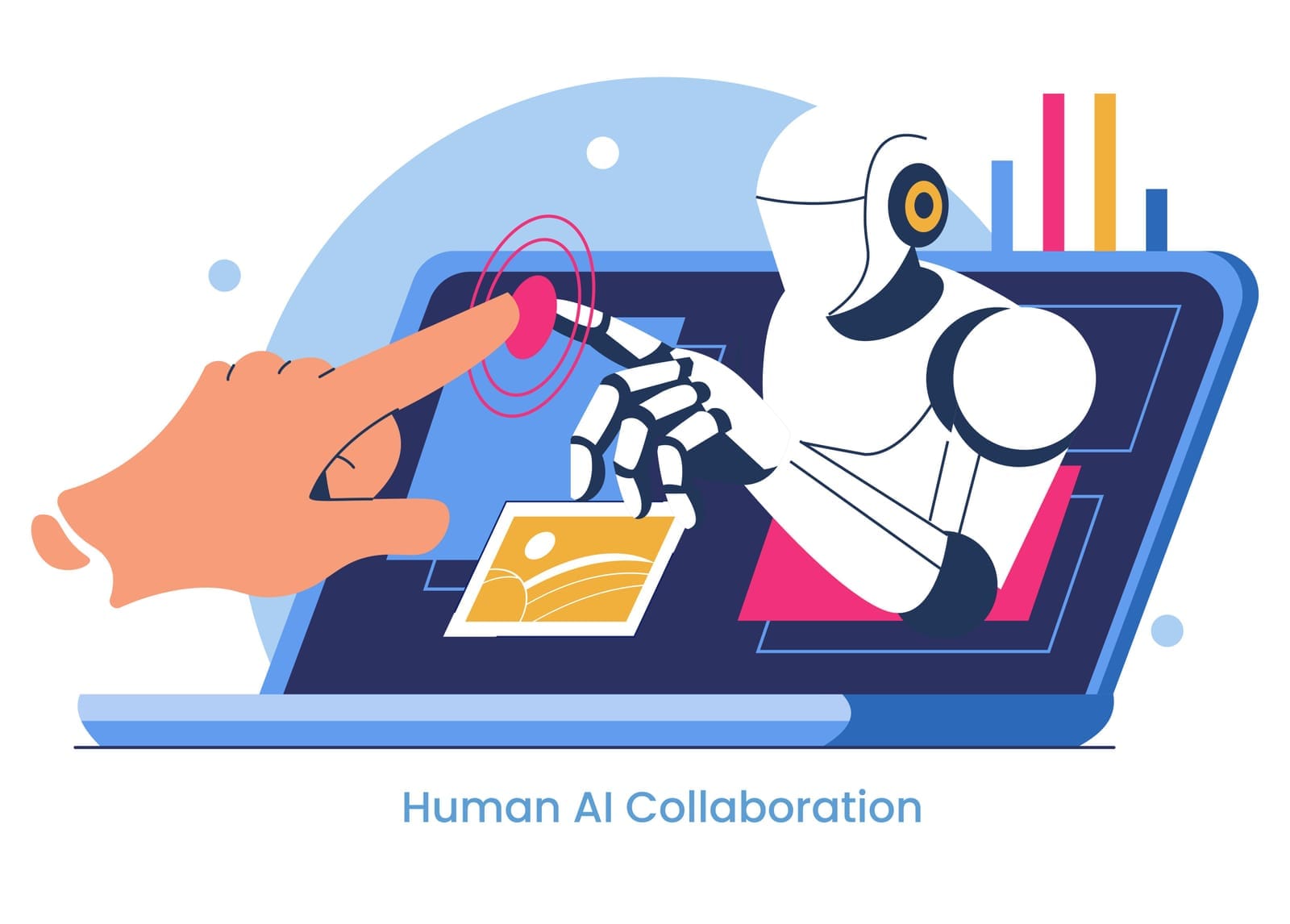
AI-driven automation is about using software that can “learn” from patterns and rules to handle routine tasks with minimal human input. This goes beyond simple “if-then” rules and can adapt over time as it sees more data.
2.1 Automating Frontline Operations
a) Customer service chatbots
Many Singapore SMEs, especially in F&B, retail, and services, are using AI chatbots on channels like WhatsApp, Facebook Messenger, or website live chat to handle:
- Frequently asked questions (opening hours, menu, pricing, delivery times)
- Reservations and appointment bookings
- Order status checks and basic support
A local F&B chain, for instance, might deploy a chatbot that:
- Answers “Are you halal-certified?” or “Do you have vegetarian options?” 24/7
- Helps customers make a reservation by checking slot availability
- Directs more complex inquiries, such as corporate bookings, to a human staff member
This reduces call volume and frees service staff to focus on in-person customers, while still providing quick responses online.
b) Appointment scheduling
Professional services firms—such as clinics, tuition centres, salons, and consulting practices—often spend significant time managing appointments.
AI-enabled scheduling tools can:
- Offer available time slots automatically based on staff calendars
- Send automated reminders via SMS, email, or messaging apps
- Reduce no-shows by following up with confirmation messages
This is particularly valuable in Singapore’s service-heavy economy, where a missed appointment is not just a lost slot but also wasted rent and manpower.
2.2 Back-Office Automation: The “Invisible Helper”
a) Invoice processing and expense management
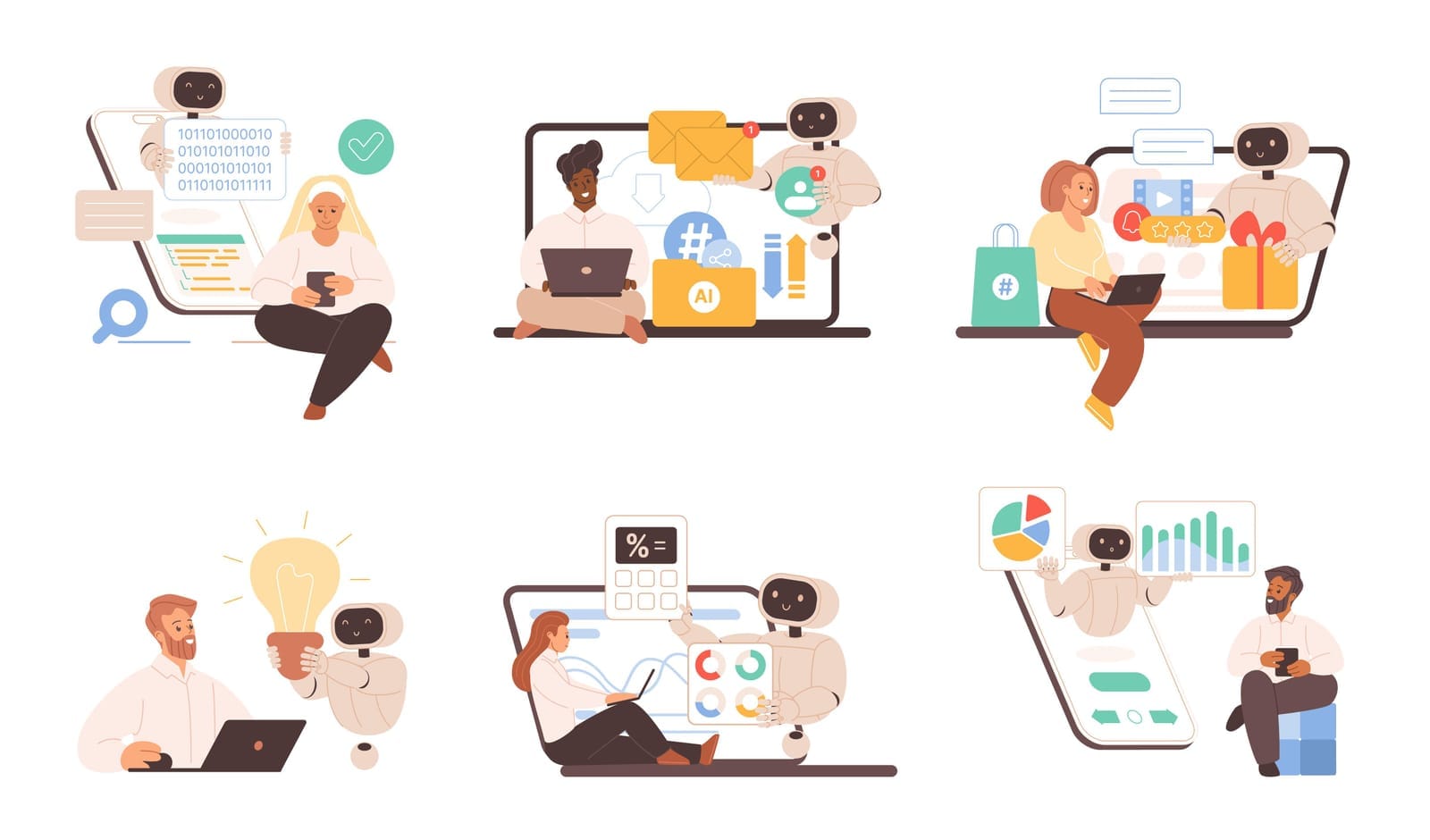
Accounting and finance teams in SMEs often face piles of invoices, receipts, and payment records. AI-powered OCR (optical character recognition) tools can:
- Read information from scanned invoices or photos (e.g., from suppliers, logistics partners)
- Extract key fields like supplier name, date, amount, GST, and line items
- Suggest or auto-fill accounting categories (e.g., “rental,” “freight charges”)
Over time, the system “learns” your typical patterns and gets better at categorising and flagging anomalies, such as suspiciously large or duplicate invoices.
This can be especially useful for retailers, distributors, and F&B outlets that deal with many suppliers and frequent stock replenishment.
b) Inventory management and replenishment
For F&B and retail SMEs, managing stock without over-ordering or running out is a constant challenge.
AI-enabled inventory tools can:
- Analyse historical sales data (e.g., POS transactions, e-commerce orders)
- Account for seasonality, weekends, festivals (like Chinese New Year, Hari Raya, Deepavali, Christmas), and promotional periods
- Suggest optimal reorder quantities and reorder points
Example: A neighbourhood bakery can use AI-based demand forecasting to:
- Predict how many loaves or pastries are likely to sell on a rainy weekday vs a weekend
- Adjust production to minimise waste while meeting demand
Similarly, a small electronics retailer that sells via physical store and local marketplace platforms can synchronise inventory across channels and have AI suggest replenishment levels based on real-time sell-through rates.
c) Logistics and route optimisation
For last-mile delivery SMEs or small logistics firms, AI routing tools can:
- Suggest the most efficient delivery routes
- Group deliveries by time windows and location clusters
- Account for traffic patterns and driver capacity
This can help reduce fuel costs and improve on-time performance without necessarily adding more vehicles or drivers.
3. AI for Summarisation & Content Handling: Making Sense of Information Overload
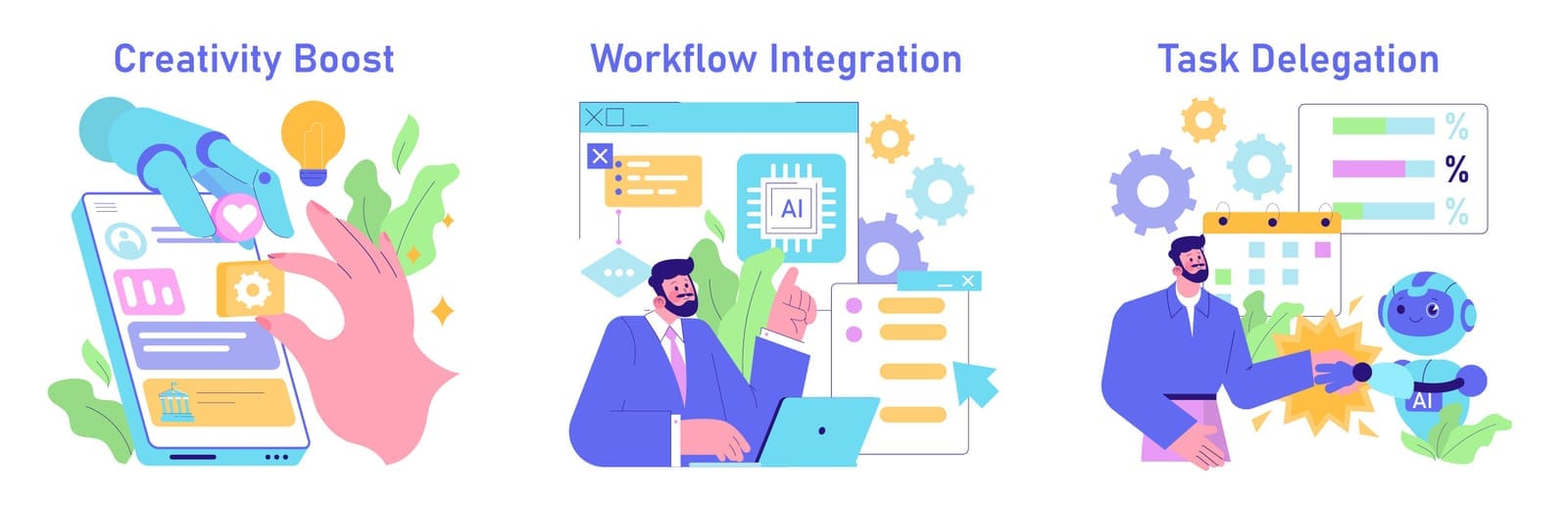
Singapore SMEs often deal with heavy documentation: government guidelines, grant information, regulatory updates, contracts, supplier agreements, and emails. AI tools for summarisation and content handling help leaders and teams extract the essence quickly.
3.1 Email and Meeting Summaries
Many modern email and collaboration platforms now integrate AI assistants that can:
- Generate short summaries of long email threads
- Highlight action items, decisions, and deadlines
- Produce meeting notes from audio recordings or video calls
For a small consulting or professional services firm, this might look like:
- Recording internal and client meetings (with consent)
- Using AI to produce:
- Key points discussed
- Decisions made
- Assigned action items with names and deadlines
This saves admin time and reduces the risk of misunderstandings, especially when project teams are juggling multiple clients.
3.2 Summarising Government Guidelines and Grant Documentation
Singapore’s regulatory and support landscape is rich, but it can be complex:
- Licensing requirements and industry-specific regulations
- Grant schemes and digitalisation programmes
- Policies from agencies such as IMDA or Enterprise Singapore
AI summarisation tools can help SMEs:
- Paste long policy documents or guidelines into an AI assistant
- Get a concise summary in plain language
- Ask specific follow-up questions, e.g.:
- “What are the key eligibility criteria?”
- “What are my main compliance obligations as a retail F&B outlet?”
- “What documents do I need to prepare?”
This doesn’t replace professional advice where required (e.g., legal or tax), but it can dramatically cut the time managers spend deciphering lengthy documents and help them prepare more focused questions for advisors.
3.3 Contract and Document Review
SMEs frequently sign:
- Rental agreements
- Vendor contracts
- Service-level agreements (SLAs)
- Employment contracts
AI tools designed for document analysis can:
- Highlight key clauses like termination, renewal, pricing changes, and liability
- Compare new contracts against previous versions or templates
- Flag unusual terms that deviate significantly from standard practice
For example, a local retail chain negotiating leases in multiple malls could use AI to:
- Compare different lease drafts side by side
- Identify which location has more stringent renovation requirements or higher service charges
- Summarise key commercial terms for management’s quick review
This reduces reliance on manual reading of dense legal text and helps non-legal managers focus their attention on the most important sections.
4. AI-Driven Business Insights & Decision-Making
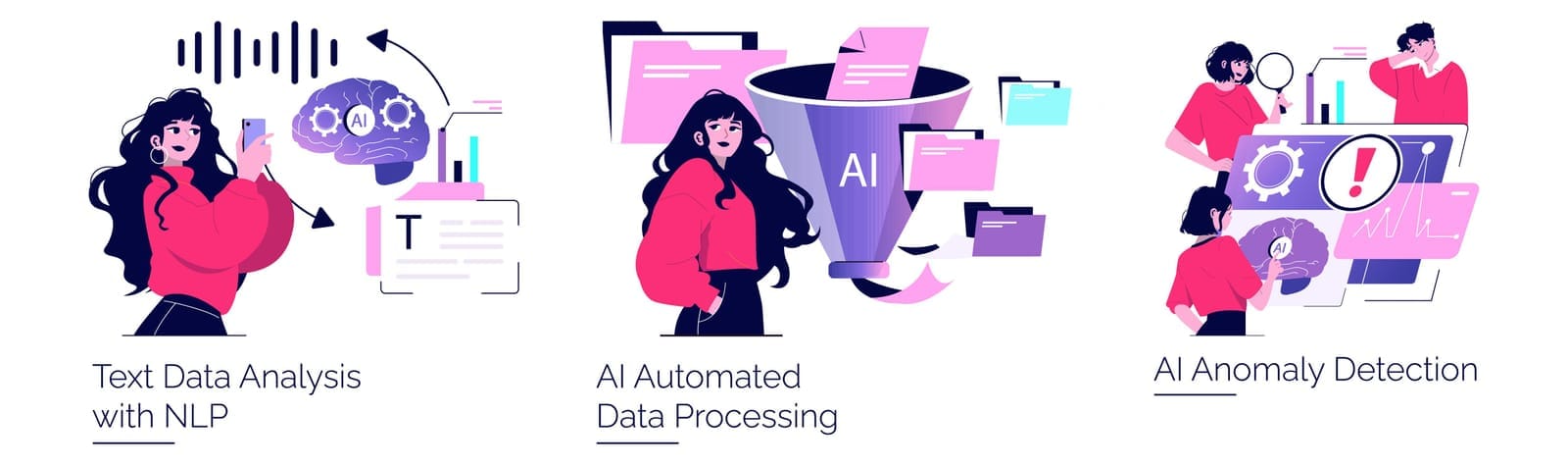
Beyond automation and summarisation, AI’s most strategic impact for SMEs lies in turning data into practical business insights.
4.1 Sales Forecasting and Demand Planning
AI-based forecasting tools can:
- Analyse historical sales, seasonal trends, promotions, and channel performance
- Generate projections for future sales by product, category, or store
- Help plan inventory, staffing, and cash flow more effectively
For a mid-sized e-commerce retailer selling across local marketplaces and its own website, AI can:
- Combine data from different platforms (e.g., marketplace sales, POS, website)
- Identify which products are gaining momentum
- Suggest adjustments in marketing spend or stock levels
This helps avoid stockouts of high-demand items and reduces holding costs for slow-moving SKUs.
4.2 Customer Segmentation and Personalisation
Customer data—such as purchase history, browsing behaviour, and engagement with marketing campaigns—can be overwhelming. AI can group customers into meaningful segments:
- Repeat vs one-time customers
- Price-sensitive vs premium segments
- Heavy users of specific product categories
A local F&B group with multiple outlets, a loyalty app, and online ordering could:
- Identify regular weekday lunch customers vs weekend family diners
- Tailor promotions (e.g., lunch deals for office workers, family sets for weekends)
- Send personalised recommendations based on past orders
Similarly, a tuition or enrichment centre can:
- Segment parents based on preferred time slots, course types, or frequency
- Optimise class offerings and scheduling to match actual demand patterns
4.3 Marketing Optimisation
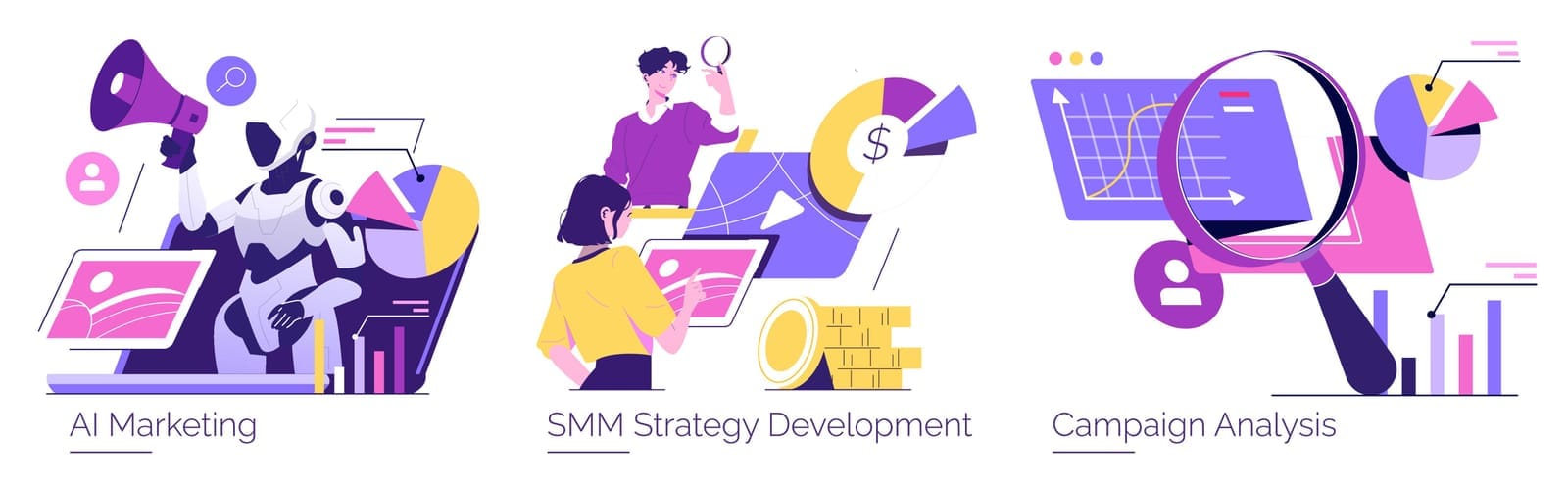
Marketing budgets for SMEs are often limited. AI-powered marketing tools help ensure that every dollar works harder by:
- Analysing campaign performance across channels (search, social media, email, marketplaces)
- Testing different ad creatives and messages automatically (A/B testing)
- Adjusting bids or budgets in real-time based on performance
Common use cases in Singapore include:
- Local retailers and F&B brands using AI-enabled features in ad platforms to:
- Optimise campaigns targeting nearby customers
- Serve different creatives during lunch vs dinner hours
- Service providers (e.g., clinics, salons, home services) using AI tools in booking or CRM platforms to:
- Send automated, personalised reminders
- Suggest cross-sell or up-sell services based on past visits
4.4 Operational Analytics and Process Insights
AI-powered analytics can help SMEs go beyond basic dashboards to detect patterns and exceptions:
- Identifying outlets or branches with unusual cost structures
- Detecting anomalies in transaction data that may suggest fraud, leakage, or process issues
- Highlighting bottlenecks in workflows, such as slow approval steps or frequently delayed deliveries
For example, a mid-sized logistics company can use AI to:
- Analyse delivery times by area, driver, and type of parcel
- Pinpoint routes or time slots that consistently cause delays
- Adjust route planning or staffing accordingly
Similarly, a multi-branch clinic could:
- Track patient waiting times and appointment gaps
- Identify doctors or locations with persistent overbooking or under-utilisation
- Adjust scheduling rules or staffing to improve patient experience and utilisation rates
5. Singapore-Specific Considerations for AI Adoption
5.1 Labour and Cost Pressures
AI adoption in Singapore is often less about replacing people and more about:
- Enabling lean teams to handle growth without burning out
- Reducing overtime and manual “after-hours” work
- Allowing staff to shift from repetitive admin to higher-value tasks (sales, customer experience, problem-solving)
In sectors where frontline staff are hard to hire and retain—like F&B, retail, logistics, and healthcare—AI tools that reduce manual workload and simplify processes can also improve staff satisfaction and retention.
5.2 Government Support and Ecosystem
While programmes and eligibility criteria change over time, SMEs in Singapore can typically:
- Seek advice from government-linked agencies and business associations on digital solutions
- Explore grants and support schemes that may partially fund digital tools or consultancy
- Leverage curated lists or “pre-approved” solutions under digitalisation initiatives
When considering AI tools, it can be helpful to:
- Check if the solution provider is recognised or supported by local initiatives
- Use advisory resources and clinics offered by agencies or trade associations for impartial guidance
- Work with service providers who understand both AI and local compliance requirements (e.g., PDPA, industry-specific regulations)
Providers that operate on a transparent, fee-only model and avoid vendor commissions can help SMEs choose solutions that are genuinely aligned with their needs, rather than driven by hardware or software sales incentives. This makes it easier to build an AI roadmap that serves your business first, not third-party vendors.
5.3 Data Privacy and Compliance
Singapore’s Personal Data Protection Act (PDPA) and sector-specific rules make responsible AI use essential. SMEs should:
- Ensure AI tools comply with relevant data protection requirements
- Clarify where data is stored (local vs overseas servers) and how it is used
- Implement basic governance: access controls, data minimisation, and clear retention policies
This is especially important for businesses handling sensitive information such as customer health data, financial records, or student information.

6. Practical Checklist: How Singapore SMEs Can Start Using AI Effectively
You don’t need to adopt everything at once. A focused, step-by-step approach works best, especially with limited budgets and manpower.
Step 1: Identify 2–3 High-Pain, High-Volume Tasks
Look for areas where:
- Staff spend a lot of repetitive time
- Errors are common or costly
- Response speed matters to customers
Common starting points:
- Customer queries (FAQs, bookings, simple support)
- Invoicing and expense claims
- Inventory tracking and ordering
- Basic marketing tasks (email campaigns, social media posting)
Step 2: Map to Concrete AI Use Cases
For each chosen area, ask:
- Can a chatbot or virtual assistant handle part of this?
- Can OCR and AI-based data extraction reduce manual data entry?
- Can summarisation tools cut down time spent reading or writing documents?
- Can analytics tools give better forecasts or segment my customers automatically?
Example mapping:
- Frequent email queries → AI chatbot or email assistant
- Manual invoice entry → AI-powered invoice scanning and posting
- Confusing grant documentation → AI summarisation for quick understanding
Step 3: Start with Tools You Already Have
Many SMEs overlook AI features already built into existing software:
- Office suites: document summarisation, smart writing assistance, meeting transcription
- CRM and marketing tools: lead scoring, automated campaign suggestions
- Accounting and inventory systems: AI-based categorisation and demand forecasting
Check your current vendors and see what AI features are available at your current subscription tier before buying new tools.
Step 4: Invest in Staff Training and Everyday AI Skills
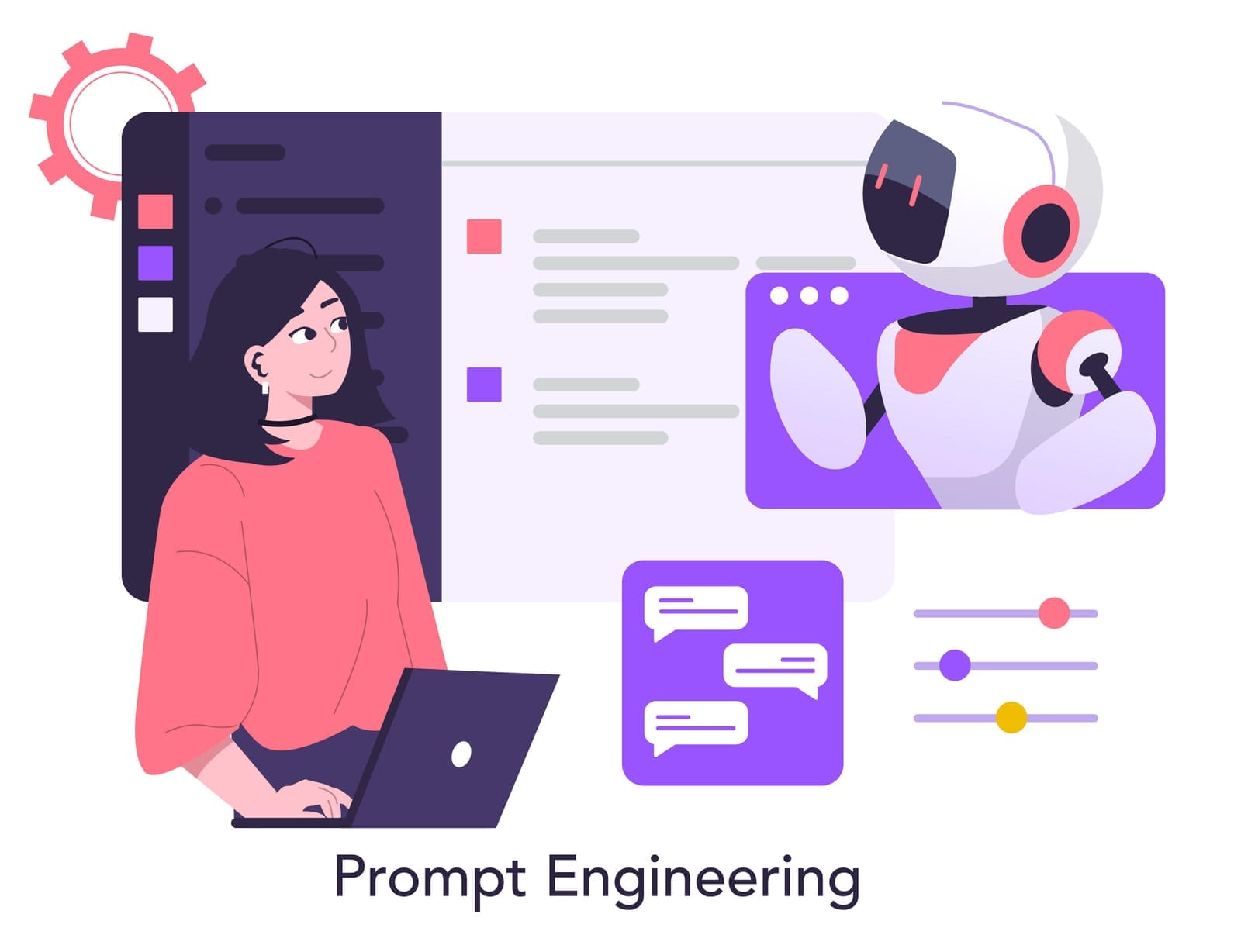
Even simple AI tools deliver better results when staff know how to use them confidently. In the Singapore SME context, focus on practical, short, and role-specific training:
- Run short internal sessions to:
- Demonstrate how AI tools fit into daily workflows (e.g., summarising emails, drafting replies, handling simple customer queries)
- Clarify what AI can and cannot do, to avoid over-reliance or misuse
- Create simple “how-to” guides or checklists for:
- Using chatbots and automation features
- Checking AI-generated outputs for accuracy before sending to customers
- Encourage experimentation with boundaries:
- Allow staff to try AI for drafts and summaries
- Require human review for anything customer-facing, financial, or legal
- Nominate a small group of “AI champions” across departments to:
- Help colleagues with questions
- Collect feedback on what works and what doesn’t
Well-trained staff are more likely to trust the tools, spot errors early, and suggest better ways to integrate AI into your operations.
Step 5: Pilot with a Small, Measurable Project
Rather than a big bang rollout, choose one pilot with clear success metrics, such as:
- Reduce time spent on invoice processing by X hours per week
- Improve response time to online enquiries to within Y minutes
- Cut no-show rates by Z% with AI-based reminders
Run the pilot for a few weeks or months, collect feedback from staff and customers, and refine.
Step 6: Engage Your Team and Manage Change
AI tools are most effective when staff understand and trust them. To build buy-in:
- Explain that AI is there to assist, not replace, staff
- Involve frontline employees in tool selection and testing
- Provide simple training and “cheat sheets”
- Encourage feedback and suggestions to improve workflows
Highlight how AI can remove tedious tasks so employees can focus on more meaningful work—serving customers, solving problems, and improving services.
Step 7: Seek Independent Advice Where Needed
For more complex or strategic AI projects, consider:
- Consulting with IT and digital advisors who are not tied to specific vendors and do not rely on commissions
- Asking them to help:
- Assess readiness (infrastructure, data, skills)
- Recommend appropriate, scalable tools
- Ensure good integration with your existing systems
- Plan for data protection and compliance
A transparent, client-first advisor model helps ensure your AI investments are guided by your business interests and long-term growth, not by short-term sales targets.

Conclusion: AI as a Practical Partner for Singapore SMEs
AI is no longer just a buzzword reserved for large enterprises. For SMEs in Singapore, it is emerging as a practical partner:
- Automating routine work in operations, finance, and customer service
- Making sense of complex documents and communications
- Turning sales, customer, and operational data into actionable insights
In a high-cost, talent-constrained market like Singapore, these capabilities can make a real difference to productivity, profitability, and competitiveness.
The key is to start small, focus on real business problems, and choose tools and partners that are transparent, cloud-first, and aligned with your long-term goals. With the right approach, AI can help your SME work smarter—not just harder—in the years ahead.