Green IT: How Sustainable Technology Choices Can Benefit Your Business and the Environment
In a world of rising energy costs, tightening regulations, and growing stakeholder expectations, Green IT is no longer a “nice to have” – it’s a strategic business imperative. Whether you’re a 10-person startup or a 1,000-employee enterprise, the way you buy, use, and retire technology has a real impact on both your bottom line and the planet.
This article explains what Green IT is, why it matters, and how your organisation can take practical steps toward more sustainable, cost-effective technology – from hardware choices and e‑waste reduction to cloud adoption and ongoing lifecycle management.

What Is Green IT – and Why Does It Matter?
Green IT (also called sustainable IT) refers to designing, using, and managing information technology in ways that minimise environmental impact while still meeting business goals. It focuses on:
- Reducing energy consumption and carbon emissions
- Extending the useful life of devices and reducing e‑waste
- Choosing more efficient infrastructure and cloud services
- Managing data and workloads in smarter, less resource‑intensive ways
Why it matters for businesses and the environment:
- Environmental impact
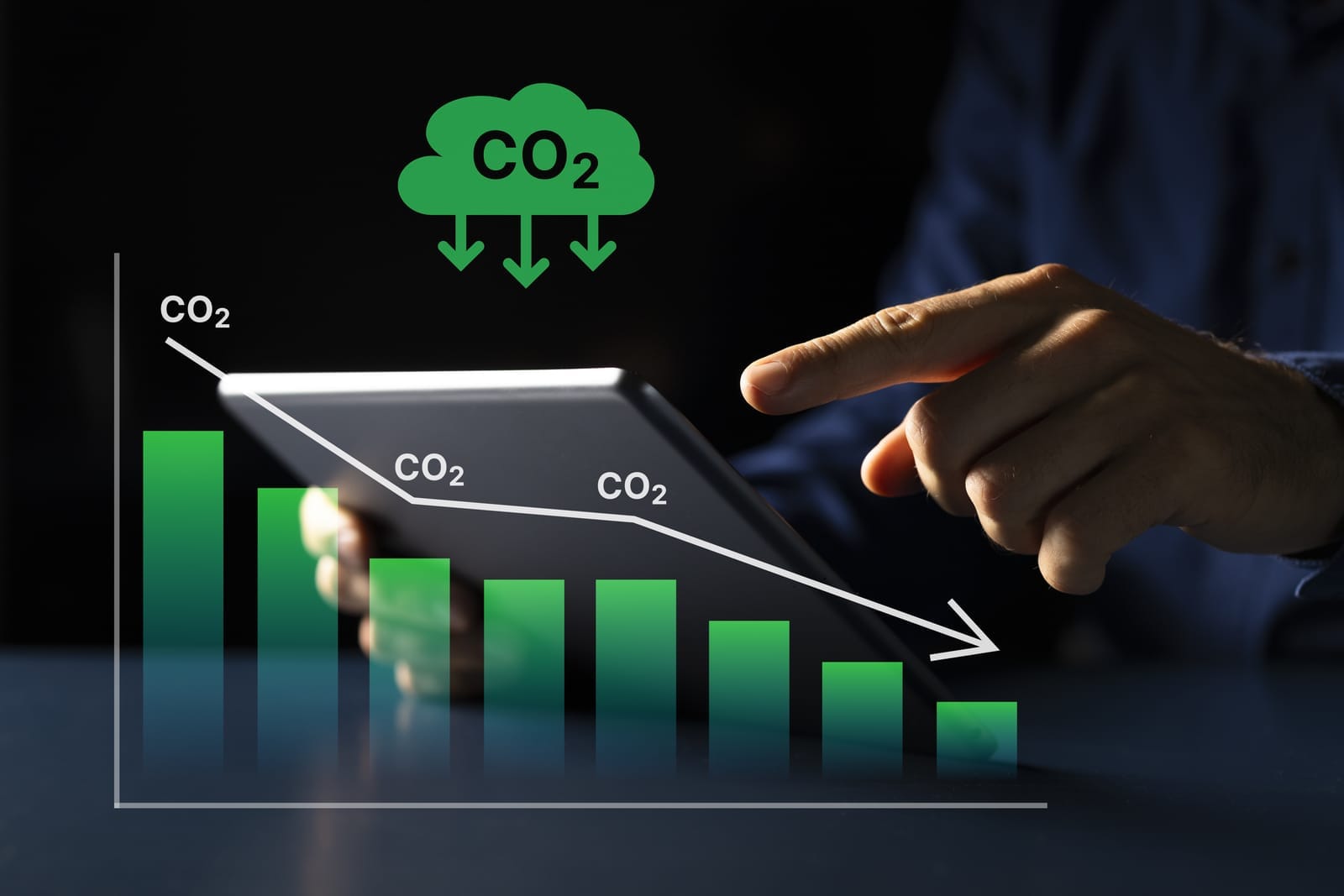
- Data centres and ICT (information and communication technology) are estimated to contribute 2–4% of global CO₂ emissions – roughly on par with the aviation industry, according to multiple industry analyses.
- E‑waste is one of the fastest-growing waste streams globally, with tens of millions of tonnes generated every year; much of it contains hazardous materials that pollute soil and water when not handled correctly.
- Rising energy and operational costs
- Electricity is a major component of IT operating expenses. More efficient devices, data centres and workloads directly translate into lower bills year after year.
- Regulation and compliance
- Many regions have or are moving toward stricter rules on energy efficiency, data centre reporting, and e‑waste disposal. Getting ahead of these trends reduces compliance risk and last‑minute scrambling.
- Brand, talent, and investor expectations
- Customers, employees, and investors increasingly scrutinise sustainability performance. A credible Green IT strategy strengthens your ESG (Environmental, Social, Governance) story and your competitive positioning.

1. Choosing Energy‑Efficient Hardware: Practical, Actionable Tips
Hardware is often the most visible and immediate starting point for Green IT. Small improvements at the device level compound across your entire fleet.
a) Prioritise energy‑efficient certifications
When refreshing laptops, desktops, monitors, servers, and networking gear:
- Look for ENERGY STAR® certified devices, which must meet strict energy efficiency guidelines set by the U.S. EPA and equivalent bodies internationally.
- Consider EPEAT®-registered products (Gold/Silver/Bronze). EPEAT evaluates products on energy efficiency, recyclability, use of recycled materials, and reduction of hazardous substances.
Business impact:
Even modest savings of a few watts per device add up when multiplied by dozens, hundreds or thousands of machines running for 8–10 hours per day.
b) Standardise on lower‑power form factors where possible
- Prefer laptops and mini PCs over traditional desktop towers where performance needs allow. Laptops can use significantly less power than equivalent desktops due to mobile‑optimised components.
- Use thin clients for VDI (virtual desktop infrastructure) or cloud‑first use cases – they consume less power, generate less heat, and often have longer lifespans.
c) Enable and enforce modern power management
Many organisations buy efficient hardware but never realise the full benefit because features are not configured:
- Configure automatic sleep/hibernate after a set period of inactivity (e.g., 10–15 minutes for monitors, 20–30 minutes for PCs).
- Use centralised device management tools (e.g., Microsoft Intune, Group Policy, or third‑party RMM tools) to enforce consistent power policies across all endpoints.
- Enable adaptive brightness and modern standby features on compatible devices.
- For servers, enable processor power management and dynamic scaling where consistent with performance requirements.
d) Optimise peripherals and networking gear
- Choose LED monitors with lower wattage and auto‑dim features.
- Use smart power strips that cut power to peripherals when the main device is off.
- Evaluate low‑power switches and access points; newer models often deliver more throughput per watt and better power‑saving modes.
e) Work with providers who understand cost‑efficient infrastructure
Techease Solutions, for example, not only supports major cloud providers like AWS and GCP but also has experience with alternative, cost‑effective platforms like OVH, Exabytes, Contabo and Greencloud. They also handle hardware procurement and leasing/lease‑to‑own arrangements to help clients reduce upfront capital expenditure and optimise IT spend. Partnering with a provider that considers both efficiency and cost helps align Green IT with your financial goals.

2. Reducing Electronic Waste: From “Buy and Bin” to Circular IT
Green IT isn’t only about what you buy; it’s also about how you use and retire technology.
a) Implement device lifecycle management
Define clear stages: Plan → Procure → Deploy → Maintain → Refresh → Retire/Recover.
Key practices:
- Set standard refresh cycles (e.g., 3–5 years for laptops, 5–7 for servers) but base changes on actual performance and reliability rather than arbitrary dates.
- Use asset management tools to track each device’s age, warranty, performance issues, and user satisfaction.
- Move older hardware to less demanding roles (e.g., from power users to light users, or from production to test environments) instead of immediate replacement.
b) Extend useful life through maintenance and upgrades
- Proactive device monitoring & patch management keeps systems updated and secure, reducing failures and extending lifespan.
- Consider RAM and SSD upgrades for slow but otherwise healthy machines instead of full replacements.
- Deploy managed EDR (Endpoint Detection & Response) to reduce malware incidents that can render devices unusable.

c) Refurbish and redeploy where safe and appropriate
- Create a process to wipe, refurbish, and redeploy devices internally when teams upgrade.
- For devices that are no longer suitable for business use but still functional, consider donation programmes to schools, NGOs, or community initiatives – ensuring data is securely erased and compliance requirements are met.
d) Use certified e‑waste recyclers
When devices reach true end of life:
- Partner with certified e‑waste recyclers (e.g., R2, e‑Stewards, or local equivalents).
- Ensure they provide documentation or certificates of destruction and proper handling of hazardous materials.
- Where possible, choose vendors that recover valuable materials (gold, copper, rare earths), feeding them back into the manufacturing cycle and reducing demand for new mining.
e) Build responsible disposal into your policies
- Document clear IT asset disposal policies and integrate them into broader IT policy documentation and vendor management.
- Train employees on why they should not dispose of IT hardware via normal office waste channels.
- Make it easy: provide central collection points and regular pickup schedules.
3. How Cloud Solutions Help Minimise Your Carbon Footprint
Moving from on‑premises infrastructure to cloud services can significantly reduce your IT‑related emissions when designed and managed correctly.
a) Why cloud is often greener by design
Major cloud providers operate at massive scale, which allows:
- Higher server utilisation – fewer idle machines doing nothing but consuming power.
- Advanced power management and workload scheduling across millions of cores.
- Heavy investment in energy‑efficient data centres, custom server designs, and improved cooling (e.g., liquid cooling, free air cooling).
- Increasing use of renewable energy (solar, wind, hydro) to power their facilities.
Independent studies and cloud provider sustainability reports indicate that workloads in a hyperscale cloud can be significantly more energy‑ and carbon‑efficient than traditional on‑premises data centres, especially older ones.
b) Practical cloud moves that support Green IT
- Migrate legacy servers and applications
- Consolidate workloads from multiple underutilised on‑prem servers into fewer, right‑sized cloud instances.
- Retire or archive unused applications and data instead of lifting‑and‑shifting everything.
- Use auto‑scaling and serverless technologies
- Configure auto‑scaling so capacity automatically expands and contracts with demand instead of running for peak load 24/7.
- Adopt serverless services (e.g., Functions‑as‑a‑Service, managed databases) where possible – you pay for usage rather than idle capacity, which inherently reduces wasted energy.
- Leverage cloud storage tiers
- Move infrequently accessed data to cold or archive storage classes, which are optimised for lower energy consumption per GB.
- Implement data retention policies to delete data you no longer need for legal, operational, or analytical purposes.
- Choose providers with sustainability commitments
- Evaluate cloud providers’ renewable energy usage, data centre efficiency (PUE), and published sustainability reports as part of vendor selection.
- Providers like AWS, GCP and others regularly publish metrics and targets around carbon neutrality, renewable sourcing, and efficiency improvements.
Techease Solutions is provider‑agnostic and helps clients host with major clouds (AWS, GCP) or alternative providers like OVH, Exabytes, and Hetzner, tailoring solutions to business goals and budgets. This flexibility allows organisations to choose setups that balance cost, performance, and sustainability.
4. Measurable Business Benefits of Green IT
Sustainable IT isn’t just an ethical choice – it creates tangible business value.
a) Direct cost savings
- Lower energy bills: Efficient endpoints, right‑sized servers, and optimised cloud usage reduce electricity and subscription costs.
- Extended hardware life: Good lifecycle management and proactive support lower capital expenditure on new devices.
- Reduced downtime and support costs: Modern, managed environments with device monitoring, patch management, and EDR experience fewer incidents.
b) Regulatory compliance and risk reduction
- Many jurisdictions have data protection and environmental regulations (e.g., PDPA in some regions, e‑waste and hazardous waste laws).
- Services such as data protection compliance support and security & compliance advisory help align Green IT initiatives with regulatory requirements, reducing legal and reputational risks.
- Proper e‑waste handling and clear documentation reduce exposure to fines and negative publicity.
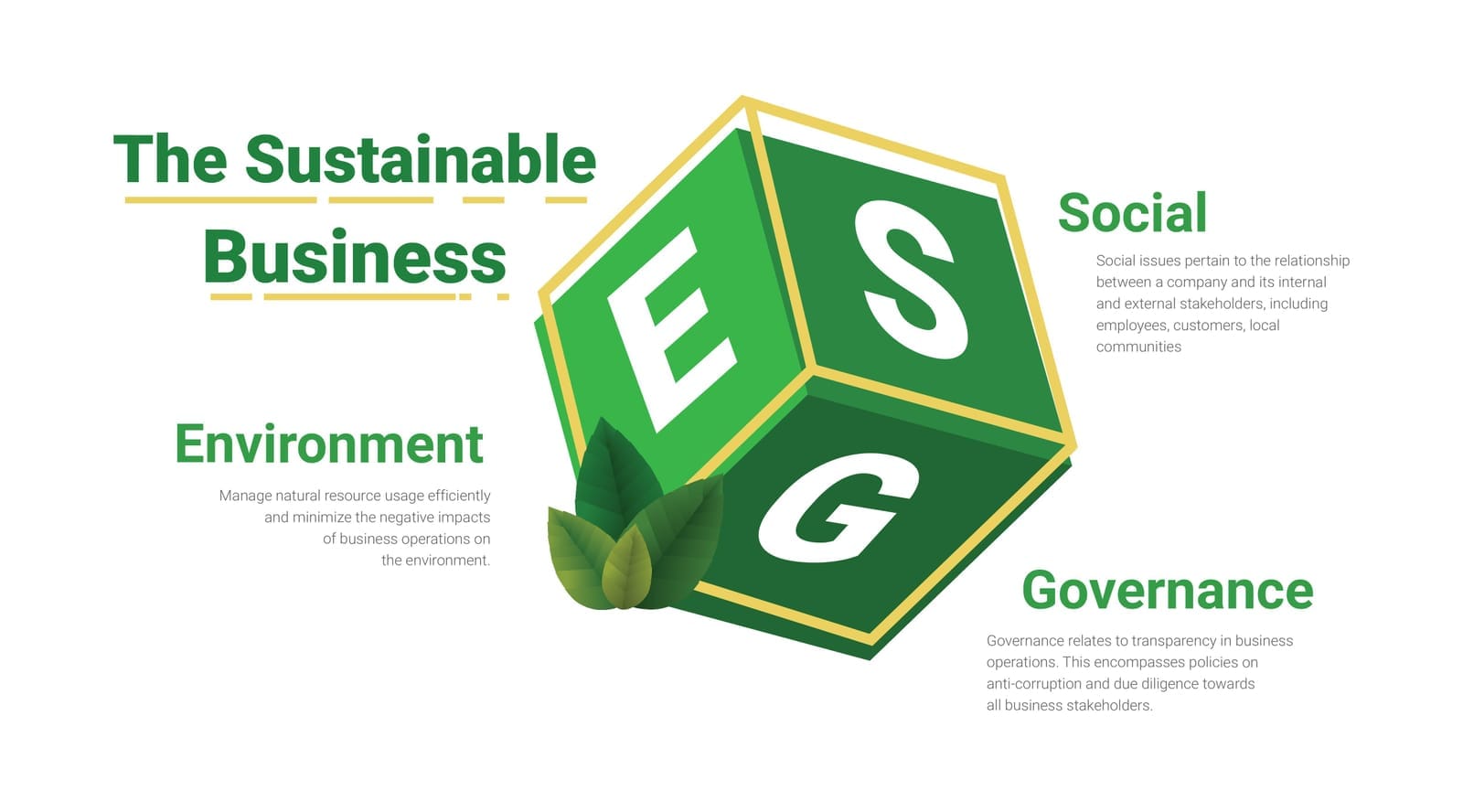
c) Stronger ESG and corporate social responsibility (CSR)
- Demonstrable Green IT practices support broader ESG reporting – contributing tangible metrics such as energy savings, reduced e‑waste volumes, and percentage of workloads in energy‑efficient clouds.
- Sustainability credentials can be a differentiator in tenders, RFPs, and partnership evaluations, where buyers increasingly ask about environmental performance.
- Internally, Green IT initiatives can boost employee engagement, especially among younger talent who expect their employers to act responsibly on climate and waste.
d) Better resilience and future‑readiness
- Cloud migration, automation, and modern infrastructure improve business continuity and agility.
- Scheduled IT health checks and strategic reviews, along with ongoing digital transformation services (cloud migration, automation, innovation and analytics enablement), help ensure your technology stack remains efficient, secure, and aligned with evolving sustainability and business goals.
5. A Practical Green IT Roadmap for Organisations of Any Size
You don’t need a huge budget to start. The key is to move from ad hoc actions to a structured plan.
Step 1: Assess your current state
- Conduct an IT health check: inventory devices, servers, and cloud workloads; capture energy usage estimates where possible.
- Identify quick wins: idle servers, underutilised hardware, outdated PCs, or offices where monitors and PCs are left on overnight.
Step 2: Set objectives and KPIs
Examples of practical targets:
- Reduce IT‑related electricity usage by 10–20% over 2–3 years.
- Cut e‑waste to landfill from IT by a specific percentage via recycling and refurbishment.
- Migrate a defined share of workloads to more efficient cloud platforms.
- Increase the percentage of ENERGY STAR/EPEAT‑certified devices in your fleet.
Step 3: Implement foundational initiatives
For smaller organisations (up to ~25–50 employees):
- Standardise on energy‑efficient laptops and monitors.
- Implement centralised patch management and antivirus/EDR to extend device life and reduce security incidents.
- Use managed cloud backup and productivity suites (Microsoft 365, Google Workspace) instead of running on‑prem servers.
- Introduce basic e‑waste and asset disposal policies.
For mid‑size and larger organisations:
- Run cloud migration and automation projects to consolidate infrastructure and streamline operations.
- Introduce structured device lifecycle management, including refurbish‑and‑redeploy practices.
- Engage in security & compliance advisory to integrate sustainability and regulatory requirements into IT strategy.
Step 4: Educate and engage your people
- Provide security awareness and sustainability training so employees understand their role in reducing energy use and e‑waste.
- Share simple guidelines: turning off equipment, using collaboration tools instead of printing, and following proper disposal procedures.
Step 5: Review, optimise, and communicate
- Use scheduled IT health checks and strategic reviews to measure progress, refine policies, and align with new technologies and regulations.
- Incorporate Green IT metrics into executive dashboards and ESG/CSR reporting.
- Communicate wins – such as cost savings, reduced e‑waste volumes, or successful cloud optimisations – to stakeholders, customers, and staff.

Bringing It All Together
Green IT is where smart business and environmental responsibility meet. By:
- Choosing energy‑efficient hardware and enabling modern power management
- Managing device lifecycles and e‑waste responsibly
- Leveraging efficient, well‑architected cloud solutions
- Embedding sustainability into your IT strategy and governance
… you can significantly reduce your organisation’s carbon footprint, cut costs, improve resilience, and strengthen your brand.
If you’d like to explore how a tailored Green IT strategy could work for your organisation – from hardware procurement and cloud hosting to ongoing managed services, compliance support, and digital transformation – providers like Techease Solutions offer tiered MSP and transformation packages designed to balance flexibility, cost‑efficiency, and long‑term sustainability.
Contact us today for an obligation free consultation.